Hey there! I’m a supplier of Ammonium Citrate Dibasic, and I often get asked if this chemical can be used in the production of detergents. Well, let’s dive right into it and explore this question. Ammonium Citrate Dibasic
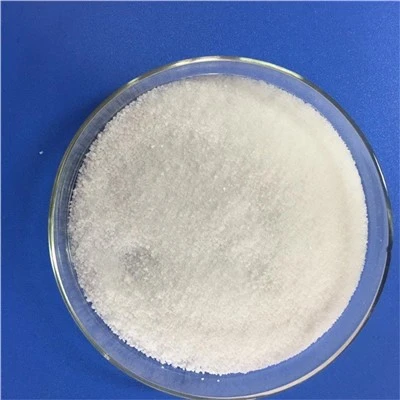
First off, let’s talk a bit about what Ammonium Citrate Dibasic is. It’s a white, crystalline powder that’s soluble in water. Chemically, it’s a salt formed from citric acid and ammonia. It’s got a few different uses in various industries, like in food as an acidity regulator and in pharmaceuticals for some formulations. But can it find a place in the world of detergents?
One of the key aspects of detergents is their ability to clean. They need to break down dirt, grease, and stains. Ammonium Citrate Dibasic has some properties that could potentially make it useful in this regard. For starters, it’s a chelating agent. A chelating agent is something that can bind to metal ions. In water, there are often metal ions like calcium and magnesium. These ions can make water "hard," and hard water can reduce the effectiveness of detergents. When Ammonium Citrate Dibasic is added to a detergent formulation, it can bind to these metal ions, essentially softening the water. This allows the detergent to work better, as it can more easily form suds and break down dirt.
Another thing is its pH – adjusting ability. Detergents often need to have a specific pH to work optimally. Ammonium Citrate Dibasic can act as a buffer, helping to maintain the pH of the detergent solution within a certain range. This is important because if the pH is too high or too low, the detergent might not work as well, or it could even damage the surfaces it’s supposed to clean.
Now, let’s look at some of the potential benefits of using Ammonium Citrate Dibasic in detergents. One big advantage is its biodegradability. In today’s world, consumers are becoming more and more concerned about the environmental impact of the products they use. Ammonium Citrate Dibasic is relatively easy to break down in the environment, which means that detergents containing it are likely to be more eco – friendly.
It’s also relatively safe to handle. Compared to some other chemicals used in detergents, it has a lower toxicity level. This is good news for both the workers involved in the production of detergents and the consumers who use them.
However, there are also some challenges. One issue is its cost. Producing Ammonium Citrate Dibasic can be a bit expensive, and this cost might be passed on to the detergent manufacturers. If the cost is too high, it could make the final detergent product less competitive in the market.
Another challenge is that it might not be as effective as some other well – established ingredients in detergents. For example, there are other chelating agents that are more powerful at binding metal ions. So, detergent manufacturers need to weigh the pros and cons when deciding whether to use Ammonium Citrate Dibasic.
In some cases, Ammonium Citrate Dibasic can be used in combination with other ingredients to enhance the performance of detergents. For example, it can be used with surfactants, which are the main cleaning agents in detergents. The chelating action of Ammonium Citrate Dibasic can help the surfactants work better by removing the metal ions that could otherwise interfere with their function.
I’ve had some discussions with detergent manufacturers, and some of them are quite interested in the potential of Ammonium Citrate Dibasic. They see the benefits of its eco – friendliness and its ability to improve the performance of detergents in hard water. But they’re also cautious about the cost and the need to test it thoroughly in their formulations.
If you’re a detergent manufacturer, I’d encourage you to give Ammonium Citrate Dibasic a try. You can start with small – scale tests to see how it performs in your specific detergent formulations. I can provide you with samples so that you can conduct these tests.
The potential of Ammonium Citrate Dibasic in detergent production is quite promising. It has some unique properties that can contribute to the cleaning power and environmental friendliness of detergents. However, like any new ingredient, it needs to be carefully evaluated.

If you’re interested in learning more about Ammonium Citrate Dibasic or want to discuss its potential use in your detergent production, feel free to reach out. I’m here to answer any questions you might have and to help you make an informed decision.
Ammonium Ferric Sulfate References:
- "Handbook of Industrial Chemistry and Biotechnology"
- "Environmental Chemistry of Detergents"
Jiangsu Kolod Food Ingredients Co., Ltd.
As one of the most professional ammonium citrate dibasic manufacturers and suppliers in China, we’re featured by quality products and good price. Please rest assured to wholesale bulk ammonium citrate dibasic made in China here and get free sample from our factory. Customized orders are welcome.
Address: South Side of Weier Road, Guanyun Development Zone, Lianyungang City, Jiangsu Province, China
E-mail: sales1399@jskolod.com
WebSite: https://www.kolod-group.com/
