Hey there,
I’m Marcus, and for the last 12 years, I’ve lived and breathed fireproof board solutions—first as a project engineer for a small commercial construction firm, and for the last 7, as the lead for my family’s fireproof board series supply business. Most days, I’m on job sites, hopping on calls with contractors, or fielding questions from business owners who’ve heard our boards are good for offices or warehouses… but they always ask the same thing these days: Can this stuff actually work in a restaurant? Fireproof Board Series
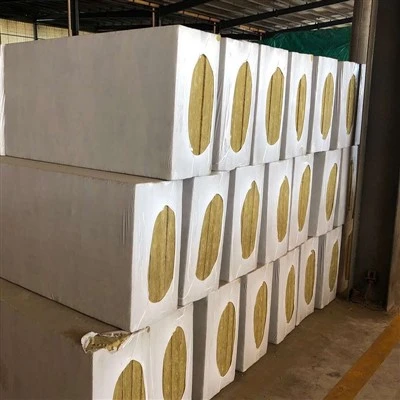
It’s not a random question. Restaurants have a unique set of fire risks that make them way different from other commercial spaces. You’ve got commercial kitchens with 500°F deep fryers, open grills that spit grease and embers, exhaust hoods that caked with charred oil if not cleaned right (we’ve all seen those viral video of hood fires), and lots of soft, flammable stuff: paper menus, fabric booths, wooden tabletops, even the disposable takeout containers stacked by the pickup counter. Add to that, restaurants are often open late, have tight quarters, and staff might be stretched thin during peak service, so a small issue can turn big fast. That’s why when people ask if our fireproof board series works here, my answer isn’t a quick yes—it’s a deep dive into what makes our boards different, what they actually do, and how we tailor them to fit every part of a restaurant, without sacrificing the style or functionality that diners and operators need.
Let’s start with the science, because that’s where a lot of the confusion lives. Not all “fireproof” boards are created equal. A lot of cheap, off-the-shelf flame-resistant (FR) boards out there just have a chemical coating on the surface that burns off after a couple of hours of high heat—they’re good for a closet, maybe, but not a space where fire can spread in minutes. Our fireproof board series is structured differently: it’s a composite core mixed with non-halogenated mineral fillers (think: calcium silicate and magnesium hydroxide, the stuff used in fireproofing for power plants) that don’t give off toxic fumes when heated, and a reinforced fiberglass mesh that ties the core and outer layer together so they don’t peel or crack under thermal stress. We test every batch to meet ASTM E119 standards, which is the gold standard for commercial fire resistance—meaning they withstand a 2,000°F (that’s hot enough to melt aluminum) fire for at least 2 hours without collapsing or letting heat transfer through. That’s not spray-on magic; that’s engineered to last.
But here’s the big catch: in restaurants, “working” isn’t just about fire resistance. You need stuff that holds up to grease, food spills, heavy foot traffic, and looks good enough that it doesn’t make the dining area feel like a hospital hallway. That’s why our series has four main lines tailored exactly to restaurant use, no one-size-fits-all nonsense. Let’s break those down by where they go.
First, the commercial kitchen walls and exhaust hood enclosures. This is the highest-risk zone in any restaurant. Grease buildup is a ticking time bomb—just last year, a diner spot in Chicago had a fire start when a grill’s excess grease dripped onto an unprotected wall panel, ignited, and spread to the hood before firefighters could get there. Our fireproof board core is non-combustible per NFPA 701 (the standard for fire safety in commercial interiors), so even if grease splatters on it, it won’t catch fire, and it won’t release the toxic black smoke that’s the number one killer in restaurant fires. We also add a special anti-grease coating to the outer layer—it’s not just paint; it’s a semi-gloss silicone-based barrier that wipes clean with degreaser in 10 seconds, no scrubbing. I’ve got a client in Brooklyn who runs a 120-seat Italian place with a wood-fired oven, and they’ve used our kitchen wall boards for 3 years. The oven blows ash, the grill spits grease, and I was there last month helping them restock, and the walls still look like new. No discoloration, no peeling, nothing. That’s the balance: fire-safe, easy to clean, and durable.
Second, the booth and table components in the dining room. A lot of restaurants use wood or laminate for booth backs and tabletops, but those are super flammable. If a candle gets knocked over (it happens, even in high-end places) or a paper napkin catches on a hot coffee mug, that’s a fire waiting to happen. Our decorative fireproof board line solves this. We offer 27 different finishes—from matte wood grain that looks just like solid oak, to sleek quartz-like patterns, even woven fabric wraps for boutique spots. The core is still fire-resistant, but we top it with a scratch-resistant UV coating that stands up to spilled wine, hot plates, and the rough handling of busboys. I worked with a small farm-to-table spot in Portland that wanted to keep their rustic vibe but didn’t want to take fire risks. They used our reclaimed-wood finish fireproof boards for all their booths and tabletops, and when we did a fire drill with their local fire marshal last year, he tested a lit napkin on the booth back—nothing, not even a scorch mark. The napkin burned out, and the board was fine. That’s the kind of result that makes operators breathe easier.
Third, ceiling panels in both kitchens and dining areas. Restaurant ceilings deal with a lot: steam from dishwashers, grease vapor, smoke from the kitchen hood, and in some places, sprinkler water. Regular drop ceiling panels absorb grease and get heavy, and if a fire hits, they drop to the floor and fuel the flames. Our suspended fireproof ceiling panels are light, but the core is non-combustible, and they’re moisture-resistant too—so they don’t warp from steam or water leaks. We did a job for a chain of 15 diners in the Midwest, and after a pipe burst in one location, their ceiling panels didn’t hold water, they dried out within 24 hours, and we still haven’t had to replace a single one in that site. Plus, they come in flat or textured finishes, so they don’t ruin the look of a dining room—no one will guess they’re fireproof.
Fourth, door frames and wall trim. Most restaurants skip this, but door frames between the kitchen and dining area are a hidden risk. If the kitchen side catches fire, it can spread to the dining room through the frame in minutes. Our fireproof trim and door casings are custom-cut to fit any opening, and they’re tested to stop fire spread for 90 minutes. We even offer them in the same finishes as our other boards, so you don’t have to have random, ugly trim that screams “fire safety.” A client in Austin told me their old frame caught grease once, and by the time they put it out, the wood frame was charred all the way through. Since switching to our trim 2 years ago, they’ve had two small grease fires in the grill, and the trim was untouched—no damage, no spread.
Now, I know what some of you are thinking: “This is going to cost way more than regular boards, right?” It’s a fair question. When I first started in this space, I thought the same thing. But after years of working with restaurant owners, I can tell you that our boards save money in the long run. Think about it: fire insurance premiums. Most commercial insurance companies charge 20-30% more for restaurants that don’t have fire-resistant materials in high-risk areas. Our clients usually get that discount within the first year of installation. Then there’s maintenance: our boards don’t need to be replaced every 3-5 years like cheap laminates, and the anti-grease coating means less time spent scrubbing walls. One client in Boston calculated that our kitchen boards cut their daily cleaning time in half, which saves them about $1,200 a month in labor costs. And the biggest one: fire prevention. The average small restaurant fire costs $100,000 in damages, plus lost revenue during repairs. Our boards cost a fraction of that upfront, and they eliminate that risk for the most part. I’ve seen enough restaurants close because of a fire that could have been prevented with the right materials—this isn’t a sales pitch, it’s something I’ve seen too many times to ignore.
But wait—there are a few things to keep in mind, because fire safety isn’t one-size-fits-all for restaurants. First, you can’t just put our boards in every single spot without planning. For example, if you have a walk-in fridge in the back, our boards aren’t designed for sub-zero temperatures—you’d need a different, insulated line for that. We also work with fire marshals and local inspectors to make sure every installation meets the specific code requirements for your city. A lot of cities have rules about how much fire-resistant material you need in a kitchen, and we help our clients navigate that, not just sell them a board. Second, our boards aren’t fireproof forever—they need to be installed correctly, and we do offer annual maintenance checks for clients who want that extra peace of mind. We go out, inspect the boards, reapply the anti-grease coating if needed, and make sure everything is up to code. That’s part of our service, not just a sale.
I’ve been doing this long enough that I’ve seen the bad and the good when it comes to restaurant fire safety. 7 years ago, a client of mine was a young couple who opened a taco spot in Denver. They skimped on fireproof materials, used regular laminate for their kitchen walls, and 18 months later, a grease fire broke out. They lost the entire space, and they never reopened. That sticks with me every time I talk to a new restaurant owner. Fire safety isn’t a line item you cut to save a few bucks—it’s protecting your business, your employees, and your customers.

Our fireproof board series isn’t just a product to me—it’s a tool that keeps people safe. We don’t use cheap fillers or cut corners on testing, because I know that when a restaurant uses our boards, they’re not just checking a box for the inspector—they’re taking a real step to prevent something terrible from happening. If you’re a restaurant owner, contractor, or designer who’s tired of choosing between a safe, functional space and a space that looks good, reach out. We can send you samples, help you map out the high-risk zones in your space, and walk you through the options that fit your budget and your style. No pressure, no sales pitches, just honest advice from someone who’s been in the restaurant and fire safety space for more than a decade.
PVC Insulation Board If you have questions about our fireproof board series for restaurant use, or want to discuss your project needs, feel free to connect with our team to explore solutions tailored to your space.
References
- National Fire Protection Association. (2021). NFPA 101: Life Safety Code. Quincy, MA: National Fire Protection Association.
- American Society for Testing and Materials. (2020). ASTM E119: Standard Test Methods for Fire Tests of Building Construction and Materials. West Conshohocken, PA: ASTM International.
- U.S. Fire Administration. (2022). Restaurant Fire Safety: A Guide for Owners and Operators. Emmitsburg, MD: Federal Emergency Management Agency.
- Occupational Safety and Health Administration. (2021). Fire Safety in Commercial Food Service Establishments. Washington, DC: U.S. Department of Labor.
Langfang Aolesi Thermal Insulation Materials Co., Ltd.
As one of the most professional fireproof board manufacturers and suppliers in China, we also support customized service. Please feel free to buy bulk high quality fireproof board made in China here from our factory. For pricelist, contact us now.
Address: Dongwang Village, Dacheng County, Langfang City, Hebei Province
E-mail: Lfaolesibaowen@outlook.com
WebSite: https://www.lfaolesi.com/
