If you’ve ever shopped around for hoses, chances are you’ve run into EPDM — it’s one of those materials that’s everywhere from car cooling systems to HVAC ducting, and for good reason. As a hose supplier who fields questions every single day, one query keeps popping up more than most: “Is EPDM hose actually good for moving oil around?” EPDM Hose
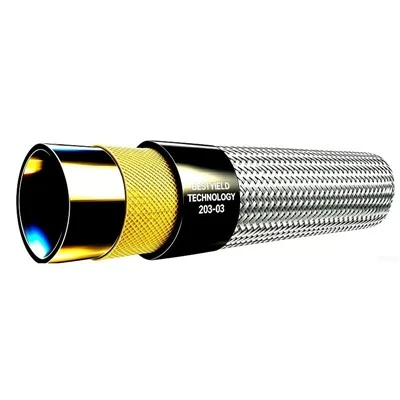
Let’s cut to the chase here. Oil transfer is a pretty demanding job. You’re dealing with stuff that’s viscous, sometimes hot, and often loaded with additives that can eat through lesser materials. If your hose doesn’t hold up, you’re looking at leaks, downtime, mess, and even safety headaches. So does EPDM stack up? It’s not a yes-or-no answer, and that’s exactly why I want to break this down like I would chatting with a customer who just called my line.
First, let’s remember what EPDM is. Short for Ethylene Propylene Diene Monomer, it’s a synthetic rubber polymer that’s been around for decades. It’s got a rep for being flexible, resistant to weather, and cheap compared to some specialty rubbers. But the big one for oil stuff is its chemical resistance. Here’s the thing: not all oils are the same. There’s mineral oil, synthetic oil, vegetable-based oil, motor oil, hydraulic oil — each has different chemical makeup, and that changes how they interact with a hose material.
For a long time, the myth was EPDM can’t touch oil because rubber swells. That’s true for a lot of rubbers, but EPDM is actually more oil-resistant than, say, natural rubber or neoprene, depending on the oil type. I’ve seen EPDM hoses hold up great for transferring mineral-based hydraulic oil used in construction equipment, for example. A lot of our construction clients have been using these hoses for years without issues — no cracking, no blistering, no leaks mid-job. That’s because EPDM’s molecular structure doesn’t break down when exposed to many non-polar oils, which are the most common ones used in industrial, automotive, and small commercial settings.
But wait, there’s a catch. If you’re moving highly aromatic oils, or something like gasoline or diesel fuel that’s got a lot of aromatic compounds, EPDM might not be your best bet. Those chemicals can penetrate the rubber’s surface over time, cause it to swell, and eventually lose its structural integrity. I’ve had a few customers come back with ruined hoses after trying to use standard EPDM for gasoline transfer — not because the material was bad, but because they picked the wrong one for the job. That’s why I always ask clients to specify exactly what kind of oil they’re moving before I recommend a product. It saves both of us a ton of hassle.
Another big factor here is operating conditions. Oil transfer hoses aren’t just sitting still; they’re often bent, stretched, exposed to temperature swings, and sometimes used outdoors. EPDM shines here because it handles extreme temps pretty well. It works from around -40°F up to 250°F, which covers most oil transfer applications you’ll encounter. If you’re moving hot oil, like in food processing or manufacturing lines, EPDM can stand up to that heat without hardening or cracking. It’s also resistant to ozone and UV, so if your hose is running in a warehouse or even outside on a job site, it won’t degrade from sun exposure the way some other materials would. That’s a huge plus for long-term use — less replacement, lower costs over time.
Now, let’s talk about how EPDM hoses are made, because not all EPDM is created equal. I don’t just sell a generic “EPDM hose” — there are different formulations. Some are blended with other materials to boost oil resistance, some have reinforced layers for higher pressure, and some are lined with additives to stand up to more aggressive oils. A lot of cheaper, mass-produced EPDM hoses skip those extra steps, which is why you might hear some people say EPDM is bad for oil. That’s not the material’s fault — it’s the manufacturer cutting corners. At my shop, we only use high-grade EPDM compounds that are specifically formulated for fluid transfer, with reinforcement layers to handle working pressures up to 100 PSI or more, depending on the hose size. That makes a huge difference. I’ve had a customer switch from a cheap import hose that leaked every three months to our EPDM hose, and it’s lasted two years so far. They saved money long-term because they didn’t have to replace it constantly.
Wait, what about compatibility with oil additives? Modern motor oils and hydraulic fluids have all sorts of additives — detergents, stabilizers, anti-wear agents. Those can affect a hose too. From our testing, EPDM holds up well to most of these additives, but again, it depends on the specific blend. For example, some synthetic oils with high ester content can be tough on standard EPDM, but we can provide modified EPDM compounds that handle those just fine. The key is knowing your fluid specs, and as a supplier, I make sure to share that knowledge upfront instead of just pushing a product. I’d rather point a customer to a different material if EPDM won’t work for their application than have them come back with a mess later.
Let’s also touch on safety. Oil transfer isn’t just about performance — it’s about not causing fires, spills, or contamination. EPDM is non-toxic and doesn’t off-gas harmful chemicals, which is important if you’re transferring oil that might come into contact with food or drinking water lines (wait, yeah, some food processing uses oil transfer, right? EPDM is approved for food-grade applications in many cases, as long as it’s the right formulation). It’s also flame-resistant in standard grades, which is a big plus for industrial settings where fire hazards are a concern. That’s something a lot of clients don’t even think about until they have to — and EPDM checks that box for most applications.
Now, when would EPDM hose not be suitable? Like I said earlier, highly aromatic fluids: gasoline, diesel, jet fuel, some specialty solvents. Those will break down standard EPDM over time. Also, if you’re working with synthetic oils that have high polar content, EPDM might not give you the lifespan you need. In those cases, I usually recommend something like nitrile rubber (NBR) or FKM (fluorocarbon), which are designed to handle those harsher chemicals. But for 70-80% of the oil transfer requests we get, EPDM is more than enough — and it’s way more cost-effective than those specialty materials. I can’t tell you how many times a customer thought they needed to splurge on an expensive hose, only to find out our EPDM option works perfectly and saves them 30-40% on their costs.
Let me give you a real example. A few months back, a small manufacturing company reached out to us. They needed hoses to transfer cutting oil to their CNC machines. They’d been using neoprene hoses that were leaking every couple of weeks, costing them production time and cleanup. We recommended our reinforced EPDM oil transfer hose. Three months later, they called to say they’d had zero leaks, no downtime, and the hoses looked just as good as the day we installed them. That’s the kind of win we love. It’s not because our hoses are magically perfect — it’s because EPDM is a great fit for that specific use case.
So what’s the takeaway here? Is EPDM hose suitable for oil transfer? Yes, but with a few important caveats. It works best for non-aromatic oils: mineral oil, hydraulic oil, motor oil, vegetable oil, and most industrial lubricants. It’s not the right choice for gasoline, diesel, or highly specialized synthetic fluids. Always check the specific oil type and operating conditions first, and make sure you’re getting a high-grade EPDM hose formulated for fluid transfer, not a cheap generic one.
If you’re currently dealing with oil transfer hose issues — whether that’s leaks, short lifespan, or just not sure what material to use — don’t guess. Reach out to us. We’ve helped hundreds of clients pick the right hose for their needs, and we can walk you through everything from material specs to pressure requirements to make sure you get something that works. No hard sell, no confusing jargon, just straight talk about what will actually hold up for your job.
And for anyone who’s still on the fence: think about your costs over time. A $20 EPDM hose that lasts two years is way better than a $15 specialty hose that leaks every month. EPDM’s durability, chemical resistance for most oils, and affordability make it a solid choice for the vast majority of oil transfer applications. The key is working with someone who knows the difference between a good EPDM hose and a cheap one, and that’s exactly what we do every single day.
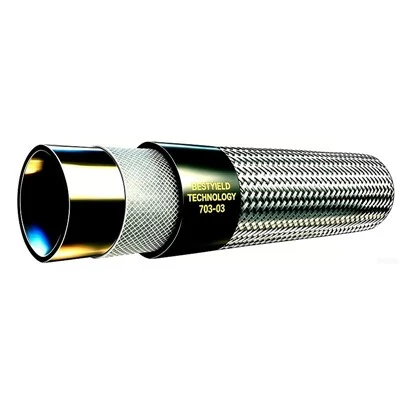
If you’ve got questions about your specific oil transfer needs, or you want to find out more about our EPDM hoses, just get in touch. We’re here to help you find the right solution, no matter how big or small your job is.
Refrigerant Hose References
- "Synthetic Rubber Properties and Applications." Rubber Chemistry and Technology, 2021.
- "Chemical Compatibility Guide for Industrial Hose Materials." Hose Manufacturers Association, 2022.
- Ethylene Propylene Diene Monomer (EPDM) Material Safety Data Sheet. ASTM International, 2020.
- "Oil Transfer Hose Performance: Material Selection Guidelines." Industrial Fluid Handling Journal, 2023.
BESTYIELD Technology (Huizhou) Co., Ltd.
BESTYIELD Technology (Huizhou) Co., Ltd. is one of the most professional epdm hose manufacturers and suppliers in China, featured by quality products and good price. Please rest assured to buy durable epdm hose made in China here and get quotation from our factory. Customized orders are welcome.
Address: Yinshan Industrial Zone, Liangjing Town, Huiyang District, Huizhou City, Guangdong Province
E-mail: rick@bestyield.net
WebSite: https://www.bestyield.org/
