Hey there! I’m a supplier of refractory hex mesh and anchor, and I often get asked about the maintenance intervals for these products. So, I thought I’d share some insights on this topic. Refractory Hex Mesh and Anchor
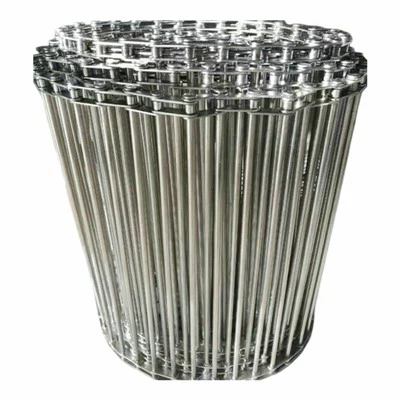
First off, let’s talk about what refractory hex mesh and anchor are. Refractory hex mesh is a type of wire mesh made from high – temperature resistant materials. It’s used to reinforce refractory linings in industrial furnaces, kilns, and other high – heat applications. Anchors, on the other hand, are used to hold the refractory lining in place and provide additional support.
Now, the maintenance intervals for refractory hex mesh and anchor can vary depending on several factors.
1. Operating Conditions
The temperature, chemical environment, and mechanical stress in the application play a huge role. In high – temperature applications, say in a steel – making furnace where temperatures can reach over 1000°C, the refractory hex mesh and anchor are under a lot of stress. The heat can cause the metal to expand and contract, which may lead to wear and tear over time.
In a chemical – rich environment, such as a chemical processing plant, the mesh and anchor can be corroded by the chemicals. For example, if there are acidic or alkaline substances present, they can eat away at the metal. So, in these harsh conditions, the maintenance intervals should be shorter. I’d say you might need to check them every 3 – 6 months.
On the other hand, if the application has relatively low temperatures and a clean environment, like a small – scale food – baking oven, the maintenance intervals can be longer. Maybe you can get away with checking them once a year.
2. Quality of the Products
The quality of the refractory hex mesh and anchor you use also matters. If you buy high – quality products, they’re likely to last longer and require less frequent maintenance. High – quality materials are more resistant to heat, corrosion, and mechanical stress.
For instance, if you use a mesh made from a special alloy that has excellent heat – resistant properties, it won’t degrade as quickly as a lower – quality mesh. So, if you’ve invested in top – notch products, you can probably extend the maintenance intervals a bit. But don’t get too complacent! You still need to keep an eye on them.
3. Installation
Proper installation is crucial. If the refractory hex mesh and anchor are not installed correctly, they’re more likely to fail earlier. For example, if the anchors are not firmly attached, they can come loose during operation. This can lead to the refractory lining shifting or even falling off.
So, when you install these products, make sure you follow the manufacturer’s instructions carefully. And after installation, do a thorough inspection. If the installation is done right, you can expect a longer lifespan and less frequent maintenance.
How to Check for Maintenance
When it’s time to check your refractory hex mesh and anchor, here are some things to look out for:
For Refractory Hex Mesh
- Physical Damage: Look for any signs of holes, tears, or breaks in the mesh. These can weaken the structure and reduce its effectiveness.
- Corrosion: Check for rust or other signs of corrosion. If you see any, it’s a sign that the mesh is being affected by the environment.
- Deformation: See if the mesh has been deformed due to heat or mechanical stress. A deformed mesh may not provide proper support.
For Anchors
- Looseness: Check if the anchors are loose. You can try to wiggle them gently. If they move, they need to be tightened or replaced.
- Corrosion: Just like the mesh, anchors can also corrode. Look for any signs of rust or pitting on the surface.
- Bending or Breakage: Check if the anchors have been bent or broken. This can happen due to mechanical stress or high temperatures.
Maintenance Actions
If you find any issues during the inspection, here’s what you can do:
For Minor Issues
- Cleaning: If there’s just a bit of dirt or debris on the mesh or anchor, you can clean it with a wire brush or a mild cleaning solution. This can help prevent further corrosion.
- Tightening: If an anchor is loose, you can tighten it using the appropriate tools. Make sure not to overtighten, as this can damage the anchor.
For Major Issues
- Repair or Replacement: If the mesh has a large hole or the anchor is severely damaged, you’ll need to repair or replace it. For the mesh, you can patch the hole or cut out the damaged section and replace it. For the anchor, you’ll need to remove the old one and install a new one.
In conclusion, there’s no one – size – fits – all answer to the maintenance intervals for refractory hex mesh and anchor. It depends on the operating conditions, the quality of the products, and the installation. But by keeping an eye on them regularly and taking appropriate maintenance actions, you can ensure that your refractory lining stays in good condition for a long time.
If you’re in the market for high – quality refractory hex mesh and anchor, or if you have any questions about maintenance or installation, don’t hesitate to reach out. I’m here to help you make the best choices for your application.
Stainless Steel Wire Mesh References
- Industrial Refractory Handbook: Covers general information about refractory materials and their maintenance.
- Journal of High – Temperature Materials: Contains research on the performance and degradation of refractory hex mesh and anchor under different conditions.
Anping Chenran Wire Mesh Co., Ltd.
We’re well-known as one of the leading refractory hex mesh and anchor manufacturers and suppliers in China. With a professional production team, we are able to meet the needs of the majority of our customers. Please rest assured to buy high quality refractory hex mesh and anchor in stock here from our factory.
Address: 500 Meters North of Guozhuang Village, Daziwen Town, Anping County, Hengshui City, Hebei, China
E-mail: sales@chenranwiremesh.com
WebSite: https://www.chenranwiremesh.com/
