As a supplier of large scale air separation units, I’ve witnessed firsthand the critical role these units play in various industries, from metallurgy to chemical production. Optimizing the operation of a large scale air separation unit is not just about enhancing efficiency; it’s about ensuring reliability, reducing costs, and maximizing the overall output. In this blog, I’ll share some key strategies and insights based on my years of experience in the field. Large Scale Air Separation Unit

Understanding the Basics of Large Scale Air Separation Units
Before delving into optimization strategies, it’s essential to understand the fundamental principles of large scale air separation units. These units operate on the principle of cryogenic distillation, which involves cooling air to extremely low temperatures to separate its components, such as nitrogen, oxygen, and argon. The process typically consists of several stages, including air compression, purification, cooling, and distillation.
The air is first compressed to increase its pressure, which allows for more efficient cooling and separation. Then, it goes through a purification process to remove impurities such as water, carbon dioxide, and hydrocarbons. After purification, the air is cooled to cryogenic temperatures using a series of heat exchangers and expansion turbines. Finally, the cooled air is fed into a distillation column, where the components are separated based on their boiling points.
Key Strategies for Optimizing Operation
1. Energy Management
Energy consumption is one of the most significant costs associated with operating a large scale air separation unit. Therefore, optimizing energy usage is crucial for reducing operational costs. One effective strategy is to implement a variable speed drive (VSD) system for the compressors. VSDs allow the compressors to adjust their speed based on the actual demand, which can significantly reduce energy consumption during periods of low demand.
Another approach is to recover waste heat from the process. For example, the heat generated during air compression can be used to pre – heat the incoming air or for other industrial processes. This not only reduces energy waste but also improves the overall energy efficiency of the unit.
2. Process Control and Monitoring
Accurate process control and monitoring are essential for ensuring the stable and efficient operation of a large scale air separation unit. Advanced control systems can be used to regulate key parameters such as temperature, pressure, and flow rate. These systems can automatically adjust the operating conditions to maintain optimal performance and prevent potential issues.
Real – time monitoring of the unit’s performance is also crucial. By continuously collecting and analyzing data on key performance indicators (KPIs) such as product purity, energy consumption, and equipment efficiency, operators can identify trends and potential problems early. This allows for timely intervention and corrective actions, minimizing downtime and improving overall productivity.
3. Equipment Maintenance
Regular equipment maintenance is vital for the long – term reliability and efficiency of a large scale air separation unit. A well – planned maintenance schedule should include preventive maintenance tasks such as equipment inspections, lubrication, and filter replacements. This helps to prevent unexpected breakdowns and extends the lifespan of the equipment.
In addition to preventive maintenance, predictive maintenance techniques can also be employed. These techniques use data analytics and condition monitoring to predict when equipment is likely to fail. By replacing components before they fail, operators can avoid costly unplanned downtime and reduce maintenance costs.
4. Product Quality Control
Maintaining high product quality is essential for meeting the requirements of customers. In a large scale air separation unit, product quality is primarily determined by the purity of the separated gases. To ensure consistent product quality, it’s important to implement a comprehensive quality control system.
This system should include regular sampling and analysis of the product gases to monitor their purity levels. Any deviations from the desired specifications should be immediately addressed through process adjustments. Additionally, the unit should be equipped with reliable sensors and control systems to accurately measure and control the product quality.
5. Operator Training
Well – trained operators are the key to the successful operation of a large scale air separation unit. Operators should have a thorough understanding of the unit’s operating principles, process control systems, and safety procedures. Regular training programs should be provided to keep operators updated on the latest technologies and best practices.
Training should also include practical hands – on experience to allow operators to familiarize themselves with the equipment and troubleshoot potential issues. By investing in operator training, companies can improve the overall performance and reliability of their air separation units.
Case Studies
Let’s take a look at some real – world examples of how these optimization strategies have been implemented successfully.
In a metallurgical plant, a large scale air separation unit was experiencing high energy consumption. By implementing a VSD system for the compressors and recovering waste heat, the plant was able to reduce its energy consumption by 15%. This not only resulted in significant cost savings but also improved the plant’s environmental performance.
In another case, a chemical production facility was facing issues with product quality due to inconsistent process control. By installing an advanced control system and implementing a comprehensive quality control program, the facility was able to improve the purity of its oxygen and nitrogen products by 2%. This led to increased customer satisfaction and a competitive advantage in the market.
Challenges and Solutions
Despite the numerous benefits of optimizing the operation of a large scale air separation unit, there are also several challenges that need to be addressed.
One of the main challenges is the high initial investment required for implementing advanced technologies such as VSDs and predictive maintenance systems. However, the long – term cost savings and performance improvements often outweigh the initial costs. Companies can also explore financing options or government incentives to help offset the investment.
Another challenge is the complexity of the air separation process, which requires skilled operators and engineers. To address this, companies can invest in training programs and recruitment of experienced personnel. Additionally, the use of automation and advanced control systems can help to simplify the operation and reduce the reliance on human expertise.
Conclusion
Optimizing the operation of a large scale air separation unit is a complex but rewarding process. By implementing strategies such as energy management, process control and monitoring, equipment maintenance, product quality control, and operator training, companies can improve the efficiency, reliability, and productivity of their units.
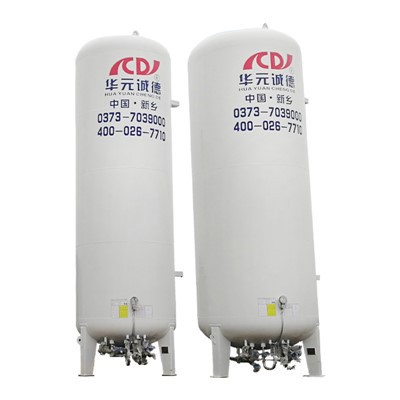
As a supplier of large scale air separation units, I’m committed to helping our customers achieve these optimization goals. We offer a range of products and services, including state – of – the – art equipment, advanced control systems, and comprehensive maintenance and training programs.
Small Air Separation Unit If you’re interested in learning more about how we can help you optimize the operation of your large scale air separation unit, I encourage you to reach out to us for a procurement discussion. Our team of experts is ready to work with you to develop customized solutions that meet your specific needs.
References
- Smith, J. (2018). Energy – efficient operation of large scale air separation units. Journal of Industrial Engineering, 25(3), 123 – 135.
- Johnson, A. (2019). Process control strategies for large scale air separation units. Chemical Engineering Magazine, 40(2), 78 – 85.
- Brown, R. (2020). Maintenance best practices for large scale air separation units. Equipment Maintenance Journal, 18(4), 56 – 63.
Xinxiang Jiale Intelligent Equipment Co., Ltd.
As one of the leading large scale air separation unit manufacturers and suppliers in China, we also support customized service. Please feel free to buy high quality large scale air separation unit for sale here from our factory. Contact us for more details.
Address: No.3913, 9th Floor, Unit 3, East Commercial and Office Complex, Baolong City Plaza, Hongqi District, Xinxiang City, Henan Province, China
E-mail: cc2397410@gmail.com
WebSite: https://www.jialeasu.com/
