As a supplier of Electric Arc Furnaces (EAFs), I’ve had the privilege of witnessing the remarkable evolution of this essential piece of industrial equipment. EAFs are at the heart of modern steelmaking, offering a more efficient and environmentally friendly alternative to traditional blast furnaces. In this blog, I’ll delve into the main components of an Electric Arc Furnace, shedding light on how each part contributes to the overall functionality and performance of the system. Electric Arc Furnace
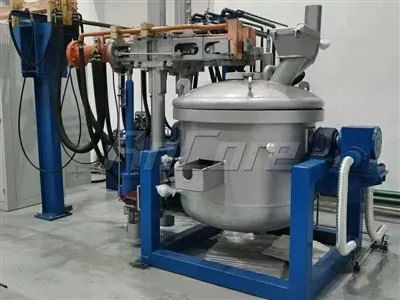
Furnace Shell
The furnace shell is the outer structure of the EAF, providing a robust and protective enclosure for the internal components. It is typically made of thick steel plates, welded together to form a cylindrical or rectangular shape. The shell is designed to withstand high temperatures, mechanical stresses, and the corrosive effects of molten metal and slag.
One of the key functions of the furnace shell is to support the refractory lining, which insulates the shell from the intense heat inside the furnace. The refractory lining is made of high – temperature resistant materials such as magnesia – carbon bricks, which can withstand temperatures of up to 1600 – 1700°C. The shell also houses various openings, such as charging doors, tapping holes, and electrodes ports, which allow for the input of raw materials, the removal of molten metal, and the insertion of electrodes.
Electrodes
Electrodes are a critical component of an EAF, as they are responsible for generating the electric arc that heats the scrap metal. Graphite electrodes are commonly used in EAFs due to their high electrical conductivity, thermal resistance, and mechanical strength.
The electrodes are suspended from an electrode holder, which is connected to a power supply. When an electric current is passed through the electrodes, an arc is formed between the electrode tips and the scrap metal in the furnace. The intense heat generated by the arc melts the scrap metal, converting it into molten steel.
The size and number of electrodes used in an EAF depend on the furnace’s capacity and power requirements. Larger furnaces typically require more electrodes to provide sufficient heat for the melting process. The electrodes are consumed during the operation of the EAF, and they need to be periodically replaced to maintain the efficiency of the furnace.
Power Supply System
The power supply system of an EAF is responsible for providing the electrical energy required to generate the electric arc. It consists of a transformer, a rectifier (in the case of DC EAFs), and a control system.
The transformer steps down the high – voltage electricity from the power grid to a suitable voltage for the EAF. The rectifier, if present, converts the alternating current (AC) to direct current (DC), which is used in DC EAFs. DC EAFs offer several advantages over AC EAFs, including lower electrode consumption, reduced noise, and better control of the melting process.
The control system monitors and regulates the power input to the electrodes, ensuring that the electric arc is stable and the melting process is efficient. It adjusts the voltage and current based on the furnace’s operating conditions, such as the temperature, the level of the molten metal, and the amount of scrap metal in the furnace.
Charging System
The charging system is used to load the scrap metal, fluxes, and other raw materials into the EAF. There are several types of charging systems, including bucket charging, conveyor charging, and continuous charging systems.
Bucket charging is the most common method, where the scrap metal is loaded into a large bucket, which is then lifted by a crane and dumped into the furnace through the charging door. This method is simple and cost – effective, but it may be less efficient than other methods, especially for large – scale operations.
Conveyor charging systems use conveyors to transport the scrap metal to the furnace. This method allows for a more continuous and controlled feeding of the raw materials, which can improve the efficiency of the melting process.
Continuous charging systems are designed to feed the scrap metal into the furnace continuously, without the need for intermittent charging. This can significantly increase the productivity of the EAF, as it reduces the idle time between charges.
Refractory Lining
The refractory lining is an essential part of the EAF, as it protects the furnace shell from the high temperatures and corrosive effects of the molten metal and slag. It is made of refractory materials, such as magnesia, alumina, and carbon, which have high melting points and excellent thermal insulation properties.
The refractory lining is installed on the inner surface of the furnace shell and is carefully designed to withstand the mechanical stress and thermal shock during the melting process. It is typically divided into different zones, each with a specific thickness and composition, depending on the temperature and corrosive conditions in that area.
Over time, the refractory lining is gradually worn out due to the continuous exposure to high temperatures and the abrasive action of the molten metal. Regular inspection and maintenance of the refractory lining are necessary to ensure its integrity and to prevent any leaks or failures in the furnace.
Tapping System
The tapping system is used to remove the molten steel from the EAF at the end of the melting process. It consists of a tapping hole, a slag door, and a tapping spout.
The tapping hole is a small opening in the furnace shell, located at the bottom or side of the furnace. When the steel is ready to be tapped, a plug in the tapping hole is removed, allowing the molten steel to flow out of the furnace through the tapping spout.
The slag door is used to remove the slag, which is a by – product of the melting process. The slag floats on top of the molten steel and can be removed through the slag door by tilting the furnace slightly.
The tapping spout is a channel that directs the molten steel from the tapping hole to a ladle, which transports the steel to the next stage of the steelmaking process. It is made of refractory materials to withstand the high temperatures of the molten steel.
Fume Exhaust System
The fume exhaust system is designed to remove the fumes and dust generated during the operation of the EAF. The melting process produces a large amount of有害气体和粉尘,包括一氧化碳、二氧化硫、氮氧化物和金属颗粒。 These pollutants can be harmful to the environment and the health of the workers.
The fume exhaust system typically consists of a hood, a ductwork, a dust collector, and a fan. The hood is placed above the furnace to capture the fumes and dust as they are released. The fumes and dust are then transported through the ductwork to the dust collector, where the particulate matter is removed. The clean air is then discharged into the atmosphere through a stack.
Proper design and operation of the fume exhaust system are crucial to ensure compliance with environmental regulations and to protect the health and safety of the workers.
Cooling System
The cooling system is used to prevent the overheating of the furnace components, such as the electrodes, the furnace shell, and the power supply system. It typically consists of water – cooled panels, pipes, and pumps.
Water – cooled panels are installed on the inner surface of the furnace shell and around the electrodes to absorb the heat generated during the melting process. The water is circulated through the panels and pipes by pumps, and the heat is transferred from the panels to the water. The heated water is then cooled in a cooling tower or a heat exchanger before being recirculated back to the system.
The cooling system plays a vital role in maintaining the integrity and performance of the EAF, as it prevents the damage to the furnace components due to overheating.
In conclusion, an Electric Arc Furnace is a complex and sophisticated piece of equipment, consisting of several key components that work together to ensure the efficient and reliable production of steel. Each component plays a crucial role in the melting process, from generating the heat to removing the molten steel and controlling the emissions.

As a supplier of Electric Arc Furnaces, we understand the importance of providing high – quality components and reliable systems to our customers. We are committed to continuous innovation and improvement, to meet the evolving needs of the steelmaking industry and to provide our customers with the best possible solutions.
LF/VD/VOD Refining Furnace If you are interested in learning more about our Electric Arc Furnaces or are considering purchasing one for your steelmaking operation, we invite you to contact us for a detailed discussion. Our team of experts is ready to assist you with all your questions and to provide you with a customized solution that meets your specific requirements.
References
- "Steelmaking and Refining Processes" by John F. Elliott
- "Electric Arc Furnace Steelmaking: Principles and Practice" by George E. Totten
Xi’an Ancore Furnace Complete Set Of Equipment Co., Ltd.
As one of the most professional electric arc furnace manufacturers and suppliers in China, we’re featured by quality products and good price. Please rest assured to buy durable electric arc furnace made in China here from our factory. We also accept customized orders.
Address: Yongli 11007, No.6 Jinye 1st Road, Yan Ta District, Xi’An City, Shan Xi,China.
E-mail: info@ancorefurnace.com
WebSite: https://www.ancorefurnace.com/
