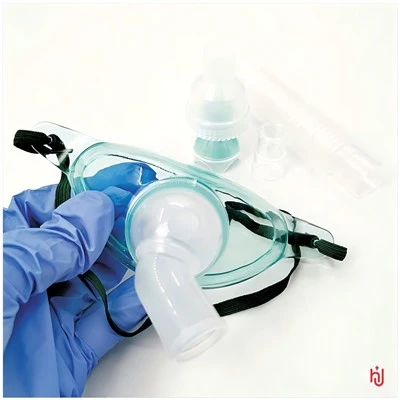
A crucial aspect that often gets overlooked when dealing with PVC (Polyvinyl Chloride) disposables is their shelf life. As a supplier of disposables in PVC, latex, and TPU (Thermoplastic Polyurethane), I’ve encountered numerous inquiries regarding the longevity of these products, especially PVC disposables. Understanding the shelf life of PVC disposables is not only essential for consumers but also for businesses to manage inventory effectively and ensure product quality. disposables in pvc / latex / tpu
Factors Affecting the Shelf Life of PVC Disposables
1. Storage Conditions
The way PVC disposables are stored plays a significant role in determining their shelf life. PVC is sensitive to environmental factors such as temperature, humidity, and exposure to light. High temperatures can cause the PVC to become soft and lose its shape, while low temperatures may make it brittle and prone to cracking. For example, if PVC gloves are stored in a warehouse with poor temperature control, especially in a hot climate, the plasticizers in the PVC may migrate over time, leading to a change in the material’s flexibility and integrity.
Humidity is another critical factor. Excessive humidity can promote the growth of mold and bacteria on the surface of PVC disposables. This is particularly concerning for products like medical gloves and food – handling utensils. If these items are used with mold or bacteria on them, it can pose a significant health risk. Additionally, high humidity can also cause the PVC to absorb moisture, which may affect its physical properties.
Exposure to light, especially ultraviolet (UV) light, can degrade PVC. UV rays can break the chemical bonds in the PVC polymer, leading to discoloration, embrittlement, and a reduction in the material’s strength. Therefore, PVC disposables should be stored in a dark place or in packaging that blocks UV light.
2. Chemical Composition of PVC
The specific formulation of PVC used in disposables can also impact their shelf life. Different manufacturers may use different additives in their PVC products, such as plasticizers, stabilizers, and antioxidants. Plasticizers are added to make PVC more flexible, but they can gradually migrate out of the material over time, especially under certain environmental conditions. This can cause the PVC to become stiff and less pliable.
Stabilizers are used to prevent the PVC from degrading due to heat, light, and other factors. The quality and quantity of stabilizers in the PVC formulation can determine how well the product resists degradation. Antioxidants, on the other hand, help prevent oxidation of the PVC, which can lead to discoloration and a decrease in mechanical properties.
3. Product Design and Thickness
The design and thickness of PVC disposables can influence their shelf life. Thicker PVC products may generally have a longer shelf life as they are more resistant to physical damage and environmental factors. For example, a thick PVC apron may last longer than a thin PVC glove under the same storage conditions.
The design of the product can also affect its durability. Products with complex shapes or seams may be more prone to damage during storage. Seams can be weak points where the PVC may separate or crack over time, especially if the bonding between the PVC layers is not strong enough.
Typical Shelf Life of PVC Disposables
The shelf life of PVC disposables can vary widely depending on the factors mentioned above. However, in general, under optimal storage conditions (temperature between 20 – 25°C, relative humidity between 40 – 60%, and protected from light), most PVC disposables can have a shelf life of 2 – 5 years.
For PVC gloves, which are commonly used in medical, food – service, and industrial applications, the shelf life is typically around 2 – 3 years. This is because gloves are relatively thin and have a large surface area exposed to the environment. Over time, the plasticizers in the gloves may migrate, and the gloves may lose their elasticity.
PVC aprons, on the other hand, may have a shelf life of 3 – 5 years. Their thicker construction provides better protection against environmental factors, and they are less likely to be damaged during storage compared to gloves.
PVC food – handling utensils, such as spoons and forks, can also have a shelf life of 2 – 3 years. These products are often exposed to food residues and moisture during use, which can accelerate degradation if not properly cleaned and stored.
Importance of Shelf Life for Businesses and Consumers
1. For Businesses
For businesses that rely on PVC disposables, understanding the shelf life is crucial for inventory management. Overstocking PVC products can lead to significant losses if the products reach the end of their shelf life before they are used. On the other hand, understocking can result in supply shortages, which can disrupt business operations.
Businesses also need to ensure that they are providing customers with products that are within their shelf life. Selling expired PVC disposables can damage the company’s reputation and may even lead to legal issues, especially in industries such as healthcare and food service.
2. For Consumers
Consumers need to be aware of the shelf life of PVC disposables to ensure their safety and effectiveness. Using expired PVC gloves, for example, may increase the risk of contamination and reduce the level of protection they provide. In the case of food – handling utensils, expired PVC products may leach harmful chemicals into the food, posing a health risk.
How to Extend the Shelf Life of PVC Disposables
1. Proper Storage
As mentioned earlier, proper storage is key to extending the shelf life of PVC disposables. Products should be stored in a cool, dry, and dark place. Warehouses and storage areas should be equipped with temperature and humidity control systems to maintain optimal conditions.
PVC disposables should also be stored in their original packaging as much as possible. The packaging is often designed to protect the products from light, moisture, and physical damage. If the original packaging is damaged, the products should be transferred to a suitable alternative container.
2. Regular Inspection
Regularly inspecting PVC disposables during storage can help identify any signs of degradation early on. This includes checking for changes in color, texture, and flexibility. If any products show signs of damage or degradation, they should be removed from the inventory and disposed of properly.
Conclusion
In conclusion, the shelf life of PVC disposables is influenced by various factors such as storage conditions, chemical composition, product design, and thickness. Under optimal conditions, most PVC disposables can last between 2 – 5 years. Understanding the shelf life is essential for both businesses and consumers to ensure product quality, safety, and effective inventory management.
disposables in pvc / latex / tpu If you are in the market for high – quality PVC, latex, or TPU disposables and want to learn more about our products’ shelf life and how to store them properly, we are here to help. Contact us for more information and to discuss your procurement needs. We are committed to providing you with the best – quality disposables and professional advice.
References
- ASTM International. (20XX). Standards related to the durability and storage of plastic products.
- European Committee for Standardization. (20XX). Guidelines on the shelf life of medical and food – related disposables.
- Industry reports on the performance and degradation of PVC materials.
Guangdong Huaju Medical Technology Co., Ltd.
Guangdong Huaju Medical Technology Co., Ltd. is one of the most professional disposables in PVC / latex / TPU manufacturers and suppliers in China, featured by quality products and good service. Please rest assured to buy bulk premium disposables in PVC / latex / TPU made in China here from our factory.
Address: FLOOR 3-4-5, BLOCK B, ZHONGJING RD #12, ZHONGSHAN, GUANGDONG, CHINA 528437
E-mail: celia@endotra.com
WebSite: https://www.endotra.com/
