Power consumption is a critical factor in evaluating filter purifiers, especially for consumers who are environmentally conscious and cost – aware. As a professional filter purifier supplier, I am often asked about the power consumption of our products. In this blog, I will delve into various aspects related to the power consumption of filter purifiers, including the influencing factors, how to measure it, and its significance. Filter Purifier

Understanding the Basics of Power Consumption
To begin with, let’s understand what power consumption means in the context of a filter purifier. Power consumption, measured in watts (W), represents the rate at which electrical energy is used by the device. A filter purifier’s power consumption can vary widely depending on multiple factors such as its size, type, purification technology, fan speed settings, and additional features.
Influencing Factors of Power Consumption
Size and Capacity
Larger filter purifiers with higher purification capacities generally consume more power. These units are designed to clean a larger volume of air or water within a shorter period. For instance, a large – scale air filter purifier used in industrial settings has to work with more powerful fans and larger filters to handle high – volume air flow. Compared to a small – sized personal air filter purifier used in a bedroom, the industrial one may consume several hundred watts, while the personal unit could use as little as 10 – 20 watts.
Purification Technology
Different purification technologies also play a significant role in power consumption. For air filter purifiers, a unit that utilizes only a simple mechanical filtration system, which mainly consists of a pre – filter and a HEPA filter, may consume relatively less power. On the other hand, an air purifier that includes advanced technologies such as ultraviolet (UV) disinfection, negative ion generation, or plasma ion purification will likely consume more power. These additional technologies require extra electrical energy to operate.
In the case of water filter purifiers, reverse – osmosis (RO) systems are known to be power – hungry. RO membranes need high pressure to force water through, which requires a pump that consumes a considerable amount of electricity. In contrast, water filter purifiers that use only activated carbon filters or ceramic filters usually consume much less power as they rely mainly on gravity or a low – power water flow mechanism.
Fan Speed Settings
Most filter purifiers, especially air purifiers, come with multiple fan speed settings. Higher fan speeds result in greater air or water circulation, which means the device can clean more quickly. However, this also means higher power consumption. When the fan is set to the lowest speed, the purifier may only consume a fraction of the power it uses at the highest speed. Consumers can adjust the fan speed according to their specific needs, such as setting a low speed during sleep to save energy and a high speed when the air or water quality is particularly poor.
Additional Features
Some modern filter purifiers are equipped with additional features like smart sensors, air quality displays, or Wi – Fi connectivity. While these features enhance the user experience, they also add to the power consumption. For example, an air purifier with an integrated air quality sensor needs to continuously monitor and analyze the air composition, which requires a small amount of electrical energy.
Measuring the Power Consumption of Filter Purifiers
Measuring the power consumption of a filter purifier is relatively straightforward. You can use a power meter, which is a device that can be plugged between the purifier and the electrical outlet. The power meter will display the real – time power consumption of the device in watts. By running the purifier at different fan speeds or with different features activated, you can get a comprehensive understanding of its power – using characteristics.
It is also important to consider the long – term power consumption. Most manufacturers provide the average power consumption value in the product manual. This value is usually calculated based on a series of standard test conditions, such as running the purifier at a medium – speed setting for a certain period. However, in real – world usage, the actual power consumption may vary depending on how often the device is used, the speed settings, and the specific operating environment.
Significance of Power Consumption
The power consumption of a filter purifier has several important implications.
Cost Considerations
From a consumer’s perspective, power consumption directly affects the operating cost. A high – power filter purifier will lead to higher electricity bills over time. For example, if a filter purifier consumes 100 watts and is used for 24 hours a day, it will consume 2.4 kilowatt – hours (kWh) of electricity per day. Assuming an electricity price of $0.15 per kWh, the daily cost of running this purifier will be $0.36, and the monthly cost will be around $10.8. Therefore, consumers are often more inclined to choose filter purifiers with lower power consumption to save money in the long run.
Environmental Impact
In addition to cost, power consumption also has an environmental impact. The generation of electricity often involves the burning of fossil fuels, which releases greenhouse gases and contributes to climate change. By choosing a filter purifier with lower power consumption, consumers can reduce their carbon footprint. As a supplier, we are committed to developing and promoting energy – efficient products to help protect the environment.
Product Competitiveness
For us as a filter purifier supplier, power consumption is an important aspect of product competitiveness. In a highly competitive market, consumers are more likely to choose products that offer a good balance between purification performance and power consumption. By continuously improving the energy efficiency of our products, we can attract more customers and gain an edge over our competitors.
Our Company’s Approach to Power Consumption
As a responsible filter purifier supplier, we take power consumption seriously. We invest a significant amount of resources in research and development to improve the energy efficiency of our products.
One of our key strategies is to optimize the design of the fan and motor systems in our air filter purifiers. By using advanced aerodynamic designs and high – efficiency motors, we can achieve a high level of air circulation with relatively low power consumption. For example, our latest series of air purifiers uses a brushless DC motor, which is more energy – efficient and has a longer lifespan compared to traditional motors.
In terms of water filter purifiers, we have developed new RO system technologies that reduce the power required by the pump. We use high – pressure pumps with improved efficiency and intelligent control systems that adjust the pump operation according to the water flow and pressure requirements.
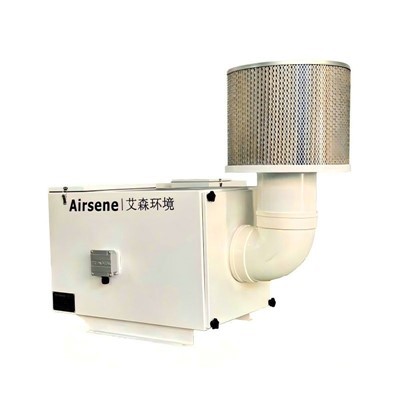
We also provide clear information about the power consumption of our products to our customers. In the product manuals and on our official websites, we list the average power consumption at different speed settings and with different features activated. This helps consumers make informed decisions based on their specific needs and usage scenarios.
Contact Us for Procurement
Filter Purifier If you are interested in our filter purifiers and want to know more about their power consumption and other features, please feel free to contact us. We have a team of professional sales representatives who can provide you with detailed product information, answer your questions, and discuss the best procurement solutions for your needs. Whether you are a residential user, a commercial establishment, or an industrial client, we can offer suitable products to meet your purification requirements.
References
- "Energy – Efficient Air Purifiers: A Review of Technologies and Performance", Journal of Environmental Science and Technology
- "Power Consumption Analysis of Water Filtration Systems", Proceedings of the International Conference on Water Treatment
- Manufacturer manuals of various filter purifier products
Shaoxing Airsene Environmental Technology Co., Ltd.
As one of the most professional filter purifier manufacturers in China, we’re featured by quality products and low price. Please rest assured to buy discount filter purifier made in China here from our factory. We also accept customized orders.
Address: No. 1821, Renmin West Road, Shangyu Economic Development Zone, Shaoxing, Zhejiang Province
E-mail: airsene@163.com
WebSite: https://www.airsene.net/
