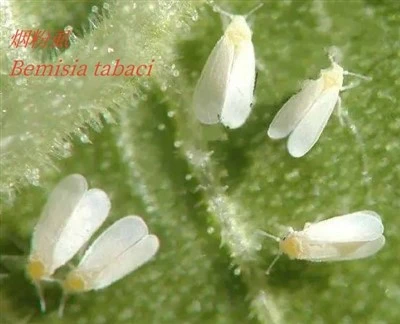
Plastic traps are a common tool used in various industries, from pest control to environmental monitoring. As a supplier of plastic traps, I often receive inquiries from customers about the possibility of reusing these products. This question not only touches on cost – effectiveness but also has implications for environmental sustainability. In this blog, I will explore the feasibility of reusing plastic traps, considering multiple factors such as their design, the substances they come into contact with, and maintenance requirements. Plastic Traps
The Design of Plastic Traps
Plastic traps come in a wide range of designs depending on their intended use. For example, pest control traps are designed to attract and capture pests. They may have special compartments, luring agents, and mechanisms to ensure that pests are trapped effectively. Some are simple sticky traps, while others are more complex, involving bait stations and trigger systems.
The design of these traps plays a significant role in determining their reusability. Sticky traps, for instance, are usually not suitable for reuse. Once a pest is stuck to the adhesive surface, removing it without damaging the adhesive layer is extremely difficult. The adhesive may also collect dust, debris, and other contaminants over time, reducing its effectiveness. In addition, the sticky surface can lose its stickiness after a single use, rendering the trap useless for future pest control.
On the other hand, some more complex plastic traps, like those with bait stations and trigger mechanisms, have a higher potential for reuse. These traps are often built with durable materials and can be easily disassembled for cleaning and maintenance. For example, a rodent trap that uses a spring – loaded mechanism and a bait holder can be emptied of the captured rodent, cleaned thoroughly, and then re – baited for further use.
Substances and Contaminants
The substances that plastic traps come into contact with also greatly affect their reusability. In pest control, traps may be exposed to pests’ body fluids, feces, and other biological contaminants. These substances not only pose a health risk but can also damage the plastic material over time. For example, some pests may carry acidic or corrosive substances in their bodies, which can cause the plastic to degrade or become brittle.
In addition to biological contaminants, plastic traps used in environmental monitoring may come into contact with harmful chemicals or pollutants. For example, traps used to collect water samples may be exposed to heavy metals, pesticides, or other toxic substances. Cleaning these traps to remove all traces of contaminants can be a challenging and time – consuming process, and there may still be a risk of residual contamination affecting the accuracy of future tests.
However, if the substances are relatively harmless and easy to clean, reusing plastic traps is more feasible. For example, traps used in food storage facilities to catch insects may only be exposed to food particles and small insects. These can be easily cleaned with soap and water, and the trap can be reused after ensuring it is completely dry.
Maintenance Requirements
Proper maintenance is essential for the successful reuse of plastic traps. Maintenance involves several steps, starting with cleaning. As mentioned earlier, the cleaning process depends on the type of contaminants the trap has been exposed to. For biological contaminants, using a disinfectant is often necessary to kill bacteria and viruses. For chemical contaminants, specialized cleaning agents may be required to ensure complete removal.
After cleaning, the trap needs to be inspected for any signs of damage. Cracks, breaks, or wear and tear can affect the trap’s functionality and may make it unsafe to reuse. If any damage is found, appropriate repairs should be made. This may involve replacing parts such as springs, seals, or bait holders.
Finally, the trap should be properly stored when not in use. This helps to prevent further damage and contamination. Storing in a cool, dry place away from direct sunlight can extend the lifespan of the plastic and maintain its structural integrity.
Economic and Environmental Benefits of Reusing
From an economic perspective, reusing plastic traps can significantly reduce costs for customers. Instead of purchasing new traps every time, they can save money by simply cleaning and re – using the existing ones. This is especially beneficial for large – scale operations such as commercial farms, warehouses, or food processing plants, where the cost of constantly replacing traps can add up quickly.
On the environmental front, reusing plastic traps contributes to reducing plastic waste. The production of plastic is energy – intensive and has a significant environmental footprint. By reusing plastic traps, we can reduce the demand for new plastic production, conserve natural resources, and minimize the amount of plastic waste that ends up in landfills or the environment.
Reusing in Different Industries
Pest Control Industry
In the pest control industry, the reusability of plastic traps depends on the type of pest and the trap design. For mice and rats, snap traps or electronic traps made of plastic can be reused. After trapping a rodent, the trap can be emptied, disinfected, and re – baited. However, for insects such as cockroaches, many sticky traps are designed for single – use only due to the difficulty of cleaning the sticky surface.
Environmental Monitoring
In environmental monitoring, the decision to reuse plastic traps is more complex. Traps used for sediment or water sampling need to be extremely clean to ensure accurate results. While some simple plastic containers can be cleaned and reused, more sophisticated sampling devices may need to be replaced regularly to avoid cross – contamination and ensure data integrity.
Food Industry
In the food industry, plastic traps are often used to monitor and control pests. Reusable traps are preferred as they can be easily integrated into the industry’s strict hygiene standards. Traps can be cleaned and sanitized regularly to prevent the spread of food – borne diseases and ensure food safety.
Conclusion
In conclusion, the question of whether plastic traps can be reused does not have a simple yes – or – no answer. It depends on multiple factors including the trap’s design, the substances it comes into contact with, and the maintenance requirements. While some plastic traps are designed for single – use and may not be suitable for reuse, others can be effectively reused with proper cleaning and maintenance.
As a plastic trap supplier, I understand the importance of providing customers with products that meet their needs while also being environmentally responsible. We offer a range of plastic traps, and we can provide guidance on which products are suitable for reuse and how to maintain them properly.
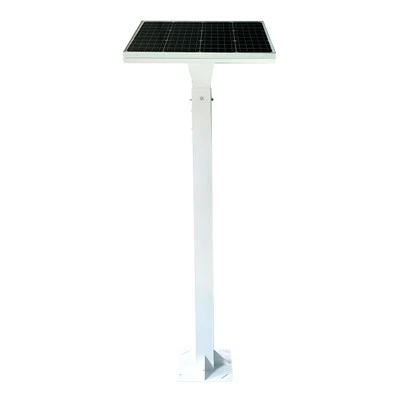
Solar Insecticidal Lamp If you are interested in learning more about our plastic traps and the reusability options, I encourage you to contact us for a detailed discussion. We can provide you with customized solutions based on your specific requirements and help you make the most cost – effective and environmentally friendly choices.
References
- Gennaro, A. R., et al. (Eds.). (2000). Remington: The Science and Practice of Pharmacy.
- Horowitz, W., & Latimer, G. W. (Eds.). (2007). Official Methods of Analysis of AOAC INTERNATIONAL.
- World Health Organization. (2019). Guidelines for the Safe Use of Pesticides.
Sichuan Ruijinte Technology Co., Ltd.
As one of the most professional plastic traps manufacturers in China, we have world-leading production equipment and strong manufacturing capabilities. Please rest assured to wholesale high quality plastic traps at competitive price from our factory. Customized orders are welcome.
Address: No. 616, 6th Floor, Building 1, No. 8, Tianjiu North Lane, High-tech Zone, Chengdu
E-mail: glock@rjt-agri.com
WebSite: https://www.rjtagri.com/
