Hey there! If you’re dealing with pipes that have internal linings and need to install electrofusion fittings, you’ve come to the right place. I’m from a company that supplies electrofusion fittings, so I’ve got a fair bit of hands – on knowledge about this process. Let’s dive into how you can get those fittings installed correctly. Electrofusion Fittings
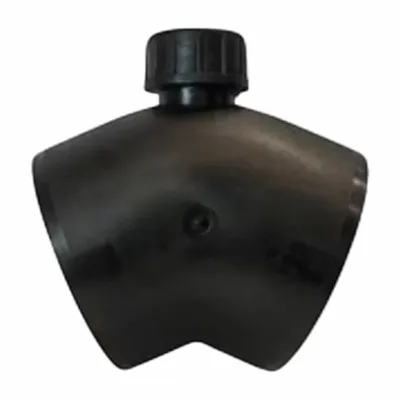
First things first, understanding what electrofusion fittings are. These are basically special types of fittings that use an electric current to heat up embedded resistance wires. This heating process melts both the fitting and the outer layer of the pipe, creating a strong, leak – proof joint.
Now, when it comes to pipes with internal linings, there are a few extra considerations. The internal lining is there for a reason, like corrosion resistance or to meet certain hygiene standards. We don’t want to damage it during the installation of the electrofusion fitting.
Preparation
Before you start the actual installation, you need to do some groundwork.
- Inspect the Pipe and Fitting: Give the pipe and the electrofusion fitting a good once – over. Check for any visible damage on the fitting like cracks or broken wires. On the pipe, make sure the outside is clean and smooth, and the internal lining is intact. If there are any rough spots on the pipe’s outer surface, you can use some sandpaper to smooth them out gently. Just be super careful not to touch the internal lining.
- Measure and Mark: Measure the pipe to figure out where exactly you need to install the fitting. Mark the position clearly. This helps ensure that the fitting goes on in the right place and the joint will be proper.
- Gather Your Tools: You’ll need a few things to get the job done. An electrofusion welding machine is a must – have. It’s the one that will supply the right amount of current to the fitting. You’ll also need some cleaning materials, like a clean cloth and some mild solvent to wipe the pipe’s outer surface clean. And don’t forget some safety gear, like gloves and safety glasses.
Cleaning the Pipe
Cleanliness is key here.
- Remove Debris: Use the cloth to wipe away any dirt, dust, or debris from the pipe’s outer surface where the fitting will be installed. A dirty surface can prevent a good bond, so you want to get it as clean as possible.
- Solvent Cleaning: Dampen the cloth with the mild solvent and give the pipe another wipe. This helps remove any grease or stubborn contaminants. Make sure to let the pipe dry completely before moving on to the next step. It wouldn’t be good to have any solvent left when you start the welding process.
Inserting the Fitting
Now it’s time to put the electrofusion fitting on the pipe.
- Align Properly: Carefully slide the fitting onto the marked position on the pipe. Make sure it’s lined up straight. You don’t want it tilted or off – center. Check that the fitting is fully seated on the pipe. You can give it a little gentle push to ensure it’s in place.
- Check the Gap: There should be a proper gap on both sides of the fitting. This is important because it allows the molten plastic to flow and create a good joint. If the gap is too small or too large, it can affect the quality of the weld.
Connecting to the Welding Machine
Once the fitting is on the pipe, you need to hook it up to the electrofusion welding machine.
- Identify the Terminals: The fitting has terminals on it. These are where you’ll connect the wires from the welding machine. Make sure you can clearly identify the positive and negative terminals. Don’t get them mixed up!
- Connect the Wires: Connect the appropriate wires from the welding machine to the terminals on the fitting. Make sure the connections are tight. Loose connections can lead to inconsistent heating, and that’s not what you want.
Welding Process
This is the core part of the installation.
- Set the Parameters: The welding machine has settings for current, voltage, and time. These settings are usually determined based on the type and size of the fitting and the pipe. Refer to the manufacturer’s instructions to set the right parameters. It’s crucial to get these right, or else the joint won’t be strong enough.
- Start the Welding: Once the settings are correct, start the welding process by pressing the start button on the machine. The machine will supply the electric current to the fitting, and the resistance wires inside will start to heat up. This will gradually melt the plastic of the fitting and the outer layer of the pipe.
- Monitor the Process: Keep an eye on the welding process. The machine might have a display that shows the current, voltage, and the remaining time. Make sure everything is going as expected. If you notice any abnormal readings, stop the process and double – check the connections or the settings.
Cooling and Inspection
After the welding is done, you need to let the joint cool down.
- Cooling Time: Don’t rush this step. Let the joint cool naturally for the recommended amount of time. This allows the molten plastic to solidify properly and form a strong bond. Trying to move or put pressure on the joint too soon can cause it to fail.
- Inspection: Once the joint is cooled, give it a thorough inspection. Look for any signs of uneven melting, cracks, or gaps. You can also do a visual check of the internal lining to make sure it hasn’t been damaged during the process. If everything looks good, then you’ve successfully installed the electrofusion fitting on the pipe with an internal lining!
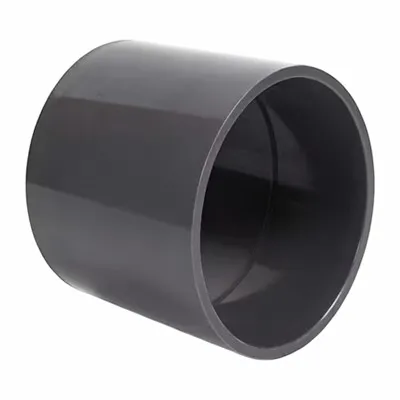
Now, if you’re in the market for high – quality electrofusion fittings, we’ve got you covered. Our fittings are made from top – notch materials and are designed to work well with pipes of all kinds, including those with internal linings. We’ve got a wide range of sizes and types to meet your specific needs. Whether you’re working on a small – scale project or a large industrial one, we can provide the right electrofusion fittings.
PPR Fittings If you’re interested in learning more about our products or want to discuss a potential purchase, don’t hesitate to reach out. Just drop us an inquiry, and our team will be more than happy to assist you. We can provide you with detailed product information, pricing, and any technical support you might need. So, take the next step and get in touch with us for all your electrofusion fitting needs!
References
- "Plastic Pipe Welding Handbook" – A comprehensive guide on various pipe welding techniques, including electrofusion.
- Manufacturer’s manuals for electrofusion fittings and welding machines. These provide detailed information about product specifications, installation procedures, and safety guidelines.
Qingdao Polyfusion Machinery Co., Ltd.
As one of the most professional electrofusion fittings manufacturers and suppliers in China, we have world-leading production equipment and strong manufacturing capabilities. Please feel free to buy bulk high quality electrofusion fittings from our factory.
Address: Chengyang Industry Zone, Chengyang, Qingdao, Shandong, China
E-mail: export01@qdpolyfusion.com
WebSite: https://www.polyfusionfittings.com/
