Finding a job as an Other Tester can be a challenging yet rewarding journey. As a supplier in this field, I’ve witnessed firsthand the dynamics of the job market and what it takes to land a great position. In this blog, I’ll share some valuable insights and strategies to help you navigate the process successfully. Other Tester
Understanding the Role of an Other Tester
Before you start your job search, it’s crucial to have a clear understanding of what an Other Tester does. Other Testers are responsible for a wide range of testing activities that may not fall into the traditional categories of software testing, hardware testing, or quality assurance. This could include usability testing, compatibility testing, security testing, and more. The role requires a combination of technical skills, analytical thinking, and attention to detail.
One of the key aspects of being an Other Tester is the ability to adapt to different testing environments and requirements. You may be working on projects that involve various technologies, platforms, and user interfaces. Therefore, having a diverse skill set and a willingness to learn new things is essential.
Building Your Skills and Knowledge
To stand out in the job market as an Other Tester, you need to have a solid foundation of skills and knowledge. Here are some areas to focus on:
- Technical Skills: Depending on the type of testing you’re interested in, you may need to have proficiency in programming languages, testing tools, and operating systems. For example, if you’re interested in security testing, you should have knowledge of network security, cryptography, and ethical hacking techniques. If you’re into usability testing, you should be familiar with user experience design principles and tools like Adobe XD or Sketch.
- Testing Methodologies: Familiarize yourself with different testing methodologies such as Agile, Waterfall, and DevOps. Understanding these methodologies will help you work effectively in different project environments and communicate with your team members.
- Soft Skills: In addition to technical skills, soft skills are also important for an Other Tester. These skills include communication, problem-solving, teamwork, and time management. You’ll need to be able to communicate your findings clearly to developers, stakeholders, and other team members. You should also be able to work effectively in a team environment and manage your time efficiently to meet project deadlines.
There are many ways to build your skills and knowledge as an Other Tester. You can take online courses, attend workshops and conferences, read industry blogs and books, and practice your skills on personal projects. You can also consider getting certified in relevant areas such as ISTQB (International Software Testing Qualifications Board) or CompTIA Security+.
Creating a Strong Resume and Cover Letter
Your resume and cover letter are your first impression on potential employers. Therefore, it’s important to make them stand out. Here are some tips for creating a strong resume and cover letter:
- Tailor Your Resume: Customize your resume to match the requirements of the job you’re applying for. Highlight your relevant skills, experience, and achievements. Use keywords from the job description to increase your chances of getting noticed by the applicant tracking system (ATS).
- Showcase Your Achievements: Instead of just listing your job responsibilities, focus on your achievements. Use quantifiable metrics to demonstrate the impact you’ve made in your previous roles. For example, you could mention how you improved the quality of a product by reducing the number of bugs or how you increased the efficiency of a testing process by implementing a new tool.
- Write a Compelling Cover Letter: Your cover letter should be a personalized introduction to your resume. Explain why you’re interested in the position and how your skills and experience make you a good fit. Use specific examples to illustrate your points. Avoid using generic statements or clichés.
Networking and Building Relationships
Networking is an important part of any job search. It can help you learn about job opportunities, get referrals, and build relationships with industry professionals. Here are some ways to network as an Other Tester:
- Join Professional Organizations: Joining professional organizations such as the International Testing Association (ITA) or the American Society for Quality (ASQ) can provide you with access to networking events, industry resources, and job boards. You can also participate in online forums and discussion groups to connect with other testers.
- Attend Industry Events: Attend conferences, workshops, and meetups related to testing and quality assurance. These events are a great way to learn about the latest trends and technologies in the industry, meet potential employers, and network with other professionals.
- Connect with People on LinkedIn: LinkedIn is a powerful networking tool for professionals. Create a professional profile that highlights your skills, experience, and achievements. Connect with people in the testing industry, including recruiters, hiring managers, and other testers. Participate in LinkedIn groups and discussions to build your reputation and visibility.
Applying for Jobs and Interviewing
Once you’ve built your skills and knowledge, created a strong resume and cover letter, and networked with industry professionals, it’s time to start applying for jobs. Here are some tips for applying for jobs and interviewing as an Other Tester:
- Research the Company: Before applying for a job, research the company to learn about its culture, values, products, and services. This will help you tailor your application and demonstrate your interest in the company.
- Apply Strategically: Apply for jobs that match your skills, experience, and interests. Don’t apply for every job you see, as this can make you appear unfocused and desperate. Instead, focus on quality over quantity.
- Prepare for Interviews: Once you’ve secured an interview, prepare thoroughly. Research the company and the position, review your resume and cover letter, and practice answering common interview questions. Be prepared to provide examples of your skills and experience and to demonstrate your problem-solving abilities.
- Follow Up After Interviews: After the interview, send a thank-you note or email to the interviewer expressing your appreciation for the opportunity. This will help you stay top of mind and demonstrate your professionalism.
Conclusion
Finding a job as an Other Tester requires a combination of skills, knowledge, networking, and perseverance. By following the tips and strategies outlined in this blog, you can increase your chances of landing a great position in this field. Remember to stay focused, keep learning, and never give up on your job search.
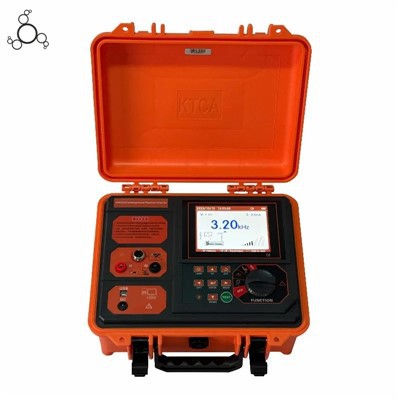
VLF Hipot Tester If you’re interested in learning more about our products and services as an Other Tester supplier, or if you’re looking for a reliable partner for your testing needs, please feel free to contact us. We’d be happy to discuss how we can help you achieve your goals.
References
- International Software Testing Qualifications Board (ISTQB). (n.d.). ISTQB Foundation Level Syllabus.
- CompTIA. (n.d.). CompTIA Security+ Certification.
- International Testing Association (ITA). (n.d.). ITA Events and Resources.
- American Society for Quality (ASQ). (n.d.). ASQ Testing and Quality Assurance Resources.
Wuhan Jiuhua Jingce Power Equipment Co., Ltd.
As one of the most experienced tester manufacturers in China, we offer a wide range of products with superior quality. Please feel free to wholesale bulk durable tester from our factory. For price consultation, contact us.
Address: 601,Unit 1,Building D4-02,Optics Valley Center,303 OpticsValley Avenue,Wuhan
E-mail: market@wuhanjhjc.com
WebSite: https://www.powertransformertester.com/
