If you’ve ever stepped outside on a crisp winter morning, your nose instantly stinging, your hands shrinking into your coat pockets, and that familiar tightness in your skin making you reach for anything to soothe the irritation, you know winter isn’t just a change in the calendar—it’s a test for every part of your body. As someone who’s spent years working in body care, not just as a brand owner but as someone who’s also dealt with chapped lips, dry elbows that crack when you move too fast, and that sluggish winter slump that makes skipping a workout feel easier than lacing up sneakers, I get it. Winter doesn’t care about your skincare routine or your healthy habits; it throws cold, dry air, harsh winds, and overheated indoor spaces at your body, all while making it harder to stay hydrated and energized. Body Care

Most of the advice out there for winter body care feels generic, right? Slather on more lotion, drink more water—easy to say, hard to do when you’re cold and tired. But it’s not just about slathering or chugging. Taking care of your body in winter is about small, intentional, science-backed choices that address the specific challenges the season brings. Over the years, I’ve tested a lot of these, both on myself and with our team, and today I’m breaking down what actually works, no fluff, no stuff that’s hard to stick to when the days are short and the nights are long.
Let’s start with the biggest culprit this time of year: dry, cold air. Winter air has a fraction of the moisture summer air holds—on a dry day, indoor air can have as little as 10% humidity, compared to 40-60% that experts recommend for healthy skin. That dry air strips away the natural oils that lock in moisture in your skin’s outer layer, the stratum corneum, leading to tightness, flaking, and even small cracks that can get irritated. But here’s a common mistake people make: they over-wash their skin in winter, especially on areas like hands and legs. Hot showers might feel amazing when you’re cold, but hot water dissolves those same natural oils your skin needs, leaving it even drier. I learned this the hard way a few years ago, after a long outdoor shoot in the snow— I jumped into a scalding hot shower and by the next day, my legs were so dry, I was itching all through work. Now I keep the water lukewarm, like the temperature of a nice cup of tea, and limit showers to 10 minutes max. That small switch made a huge difference.
When you do wash, what you use matters too. A lot of traditional body washes have harsh sulfates like sodium lauryl sulfate (SLS) that are designed to foam up, but they’re super stripping for skin in winter. We’ve formulated our body washes to use gentle, plant-based surfactants that clean without taking essential oils, and they leave a subtle layer of moisture that doesn’t feel greasy. For areas that get extra tough, like elbows and knees, I use a gentle exfoliant once a week—wait, not a harsh, gritty scrub that scratches the skin, but a chemical exfoliant with lactic acid, which is naturally derived from milk. Lactic acid dissolves the dead skin cells that build up on those areas, so when you apply moisturizer after, it actually sinks in instead of sitting on top of flaky skin. I used to use a sugar scrub on my elbows in winter, and while it felt nice, it would leave my skin raw by the end of the month—switching to lactic acid exfoliation changed that.
Then there’s the hands—they’re the most neglected part of winter body care, I think. We use them for everything: opening doors, holding coffee, typing, and every time you wash them with regular soap, you’re stripping more oils. I keep a tube of our repair hand cream in every room: by the sink, by the front door, on my desk at work. The key for hand cream is something with both humectants (like glycerin or hyaluronic acid, which draw moisture from the air) and emollients (like shea butter or jojoba oil, which fill in gaps between skin cells). I apply it every time I wash my hands, and right before bed—slathering a thick layer on and pulling on cotton gloves for an hour makes a world of difference for dry, cracked cuticles. A tip I picked up from a dermatologist friend: if your hands get really chapped, use a tiny bit of petroleum jelly at night as a sealant, but don’t use it during the day if you’re handling things that get slippery—we have a hand cream with a similar protective layer that works just as well without the grease.
Moving on beyond the skin on your body—what about your internal wellness, because winter takes a toll on your body from the inside out. When it’s cold, you might be less likely to drink cold water, so you reach for coffee, tea, or maybe even sugary hot chocolates, which can dehydrate you more than they help. Dehydration makes dry skin way worse, because your body needs water to produce the oils that keep skin hydrated. I keep a stainless steel water bottle by my desk, and I add a slice of lemon or a sprig of mint to make it more interesting—something I actually want to sip on all day. Experts recommend about 2.7 liters of water a day for women and 3.7 liters for men, but in winter, if you’re spending time in heated spaces, you might need a little more. I also add bone broth to my routine a few times a week—warm, salty, and packed with collagen and amino acids that support skin and joint health, plus it’s way easier to drink when it’s freezing outside than a glass of cold water.
Another internal factor: vitamin D. We get most of our vitamin D from sunlight, right? But in winter, especially in places where the days are short, the sun is too low in the sky between November and February for our skin to make enough vitamin D. Low vitamin D levels have been linked to dry skin, mood swings (that winter blues we all talk about), and even weakened immunity. I get a blood test every winter to check my levels, and if they’re low, I take a supplement as recommended by my doctor, along with adding more vitamin D-rich foods to my diet: fatty fish like salmon, eggs, and fortified cereals. I also make sure to spend 10 minutes outside every day, even if it’s just walking around the block at lunch—getting a little sunlight, even on a cloudy day, helps boost those vitamin D levels without risking too much cold air exposure.
Don’t forget the parts of your body people often overlook: feet, lips, and even your scalp. Feet in winter are tricky—you’re wearing thick socks and closed shoes all day, which can trap moisture and lead to athlete’s foot, or if you’re using heated socks, dryness and cracking. I exfoliate my feet once a week with a pumice stone, apply a thick moisturizer, and wear cotton socks to bed a few nights a week. For lips, chapping is the worst—most lip balms are just wax, which sits on top of lips and doesn’t let them heal. We formulated our lip repair balm with beeswax, shea butter, and peppermint oil, plus a tiny bit of salicylic acid to get rid of dry, flaky skin, not just cover it. I apply it every couple of hours, and never lick my lips—saliva evaporates and makes them drier, which is a habit I had to break. Scalp dryness is also super common in winter—heated indoor air dries out the scalp, leading to flaking and itchiness. I use a gentle, moisturizing shampoo instead of a clarifying one this time of year, and I condition my ends without getting too much on my scalp, and I’ll use a scalp oil once a week to soothe any dryness.
Now, what about moving your body in winter? It’s easy to stay cooped up, but exercise is so important for winter body care. When you exercise, your blood flow increases, which brings oxygen and nutrients to your skin cells, helping them stay healthy and hydrated. It also boosts your immune system, which is extra important when everyone’s getting sick. I used to hate working out in the cold, but I found a few tricks: I work out in the morning, right after I drink a glass of warm water, so my body’s already warmed up a bit, and I wear layers that I can take off as I start sweating. Even 20 minutes of walking a day, a quick yoga flow, or a dance session in your living room works—you don’t need a gym membership. I’ve noticed that when I skip my daily walk, my skin gets drier and I feel more sluggish, so it’s become non-negotiable for me.
One last thing that ties all this together: not overcomplicating it. Winter body care doesn’t need 10 different products or a 30-step routine. It’s about small, consistent choices that match the season. I’ve seen so many people try to do too much in winter—buy every expensive lotion, stop washing their hands as much, skip water—and it backfires. The best approach is to adjust what you’re already doing: turn down the shower temperature, keep hand cream everywhere, drink a little more warm water, spend 10 minutes outside, and give your skin a little extra moisture and gentle care.
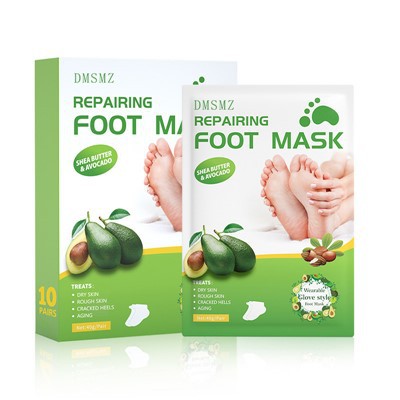
If you’re looking for products to simplify your winter routine, we’ve designed our entire body care line specifically for these challenges—gentle cleansers, repairing hand creams, lipid-balancing moisturizers, and lip balms that actually heal, not just protect. We test every formula with real people in winter conditions, so we know they work, not just look good on a shelf.
Cleansing Taking care of your body in winter isn’t about being perfect. It’s about showing up for the parts of you that feel the strain of the cold, small step by small step. If you’re looking to source body care products tailored for winter needs, our team is ready to chat about custom solutions, bulk orders, or partnering to bring gentle, effective care to your customers. Just reach out to start the conversation.
References
- American Academy of Dermatology. (2023). Winter Skin Care Tips: How to Protect Your Skin in Cold, Dry Weather.
- National Institutes of Health. (2022). Vitamin D Deficiency: Causes, Symptoms, and Treatment.
- Environmental Protection Agency. (2021). Indoor Humidity: What’s Recommended for Healthy Homes.
- Journal of the International Society of Sports Nutrition. (2020). The Effects of Regular Moderate Exercise on Skin Health.
- British Association of Dermatologists. (2022. Hand Hygiene: Balancing Cleanliness and Skin Health in Winter.
Guangdong Daimeishi Biotechnology Co., Ltd.
As one of the most professional body care manufacturers in China, we offer a wide range of products with superior quality. Please rest assured to buy bulk body care in stock here from our factory. If you have any enquiry about pricelist, please feel free to email us.
Address: Room 304, Building 3, Quantum Creation Space, No. 4, Industrial 2nd Road, Jiahewanggang, Baiyun District, Guangzhou
E-mail: 371190615@qq.com
WebSite: https://www.zgdms.com/
