Hey guys, let’s cut to the chase – if you’ve got normal skin, you’re low-key the luckiest when it comes to skincare, right? No constant greasiness in the T-zone, no tight, flaky patches around your cheeks, no random breakout that sticks around for two weeks for no reason. But here’s the thing: even normal skin needs a little extra love, especially when it comes to facial oils. A lot of folks with combo or normal skin sleep on facial oils, thinking, “Wait, I don’t need oil – my skin’s already balanced!” Nope, that’s a myth I’m here to debunk today. I’ve been in the facial oils game for years (full transparency, I work for a facial oils supplier that’s been churning out stuff people actually trust, not just fancy bottles with empty claims) and I’ve tested, blended, and obsesses over what works for different skin types. Today we’re talking specifically to normal skin crew – let’s figure out exactly what facial oil is best for you, no jargon, no BS, just real talk. Facial Oils
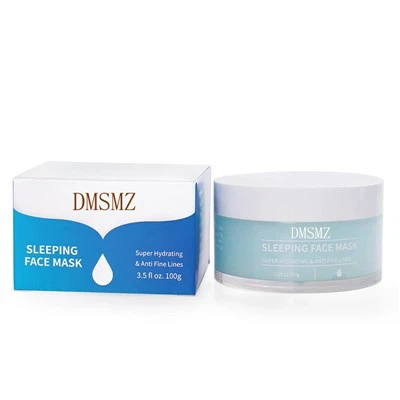
First, let’s get one thing straight: normal skin isn’t “perfect” skin – it’s just skin that’s in a relatively stable state, with a balanced moisture barrier, not too much sebum, not too little. But that balance can get thrown off so easily – harsh cleansers, cold dry weather, too much time in front of AC screens, even stress from work can mess with it. That’s where facial oils come in. They don’t just add grease – they lock in moisture, repair that barrier, and give your skin that plump, glowy look without making you feel like you’re wearing a layer of salad dressing. For normal skin, the best facial oil isn’t one-size-fits-all, but there are key players that work like a dream for this skin type. Let’s break down the good stuff, the stuff to skip, and how to actually use it (because even the best oil won’t work if you’re applying it wrong).
First up, let’s talk about the top ingredients for normal skin. If you’re shopping for a facial oil, keep an eye out for these – I’ve watched our customers rave about these time and time again. First up: Jojoba oil. Wait, I know what some of you are thinking – “jojoba is for everyone, so why is it on the normal skin list?” Hear me out. Jojoba is actually a wax ester, not an oil, and it’s molecularly almost identical to the sebum your own skin produces. That means it doesn’t clog pores (super important, even for normal skin – nobody wants random breakouts) and it helps regulate sebum production over time. If you get a little oily in your T-zone by mid-afternoon, jojoba will actually calm that excess oil down, not make it worse. It’s lightweight, absorbs in like, 30 seconds max, no sticky residue, and it’s packed with vitamin E which is great for protecting your skin from environmental crap like pollution or UV rays. We’ve had customers with normal skin tell us they mix a drop of jojoba in their morning moisturizer and their skin stays soft all day, no shine, no tightness. That’s a win.
Next up: Rosehip seed oil. This is a fan favorite for a reason, and it works so well for normal skin because it’s packed with fatty acids and vitamin A (retinol, but gentle, not the harsh prescription kind). Rosehip is great for giving your skin that little boost if you’re noticing dullness – like if you’ve been pulling late nights or your skin just looks a little lackluster. It helps with fine lines too, even on normal skin – prevention is way easier than correction, right? The only thing to note with rosehip is that it can oxidize if it’s not stored right – meaning it turns orange and smells a little funky. That’s why we make sure all our rosehip oil is cold-pressed and in dark glass bottles to keep it fresh. For normal skin, a couple drops of rosehip at night works wonders – you wake up to plump, glowy skin without feeling greasy. I personally keep a little bottle on my nightstand and use it every other night, and my normal skin has never looked better.
Wait, what about argan oil? Yeah, argan is another great one for normal skin. It’s rich in linoleic acid and oleic acid, which balance moisture and keep your barrier strong. It’s a little thicker than jojoba or rosehip, but not so thick that it clogs pores. If you live in a cold climate, argan is perfect – it gives that extra layer of protection when the wind is drying your skin out. I’ve had customers from places like Chicago or Toronto tell me argan keeps their skin from getting tight in the winter, even when they’re outside in the snow. Just a tip: if you’re using argan in the morning, pat a tiny bit on your cheeks and jawline, not too much on the T-zone if you’re prone to slight shine – but normal skin usually handles it fine.
Now, let’s talk about what to avoid. This is super important, because a lot of facial oils out there are loaded with stuff that’s not great for normal skin. First, skip oils that are too heavy – like pure coconut oil. I know coconut oil is a go-to for a lot of people, but it’s super comedogenic (meaning it clogs pores) for a lot of skin types, even normal. I’ve had so many customers come back saying they broke out after using straight coconut oil – don’t do it. Also, avoid oils with added fragrances or synthetic additives. A lot of cheap facial oils pump in perfume to make them smell nice, but those can irritate your skin over time, even if you have normal skin. Stick to cold-pressed, unrefined, pure oils – that’s where the good stuff is. And another thing: don’t overdo it. Even for normal skin, a facial oil should be used 2-3 times a day max – usually morning and/or night. Using too much can make your skin feel greasy and throw off that balanced you’ve got going on.
Wait, let’s talk about how to use facial oil with normal skin, because there’s a right way and a wrong way. The wrong way: slathering a glob of oil on top of your moisturizer before your morning makeup, making your skin so slippery your foundation slides off. The right way: apply oil to damp skin. Dude, that’s a game-changer. After you wash your face, pat it dry with a towel so it’s still a little damp, then apply 2-3 drops of facial oil. The damp skin helps the oil absorb better, and it locks in moisture way more effectively. For morning, follow with a lightweight moisturizer and SPF – SPF is non-negotiable, even if you have normal skin and are using oil. At night, you can apply oil after your toner (if you use one) and before your night moisturizer. If your skin feels a little extra dry that day, you can mix a drop of oil into your moisturizer – that works too. I also love using oil as a massage tool – a little oil on your fingers, gently massage your face in upward motions for 30 seconds, it boosts circulation and gives you that natural glow.
Now, let’s get real about common mistakes people with normal skin make when using facial oils. First, thinking they don’t need it because their skin is “perfect.” Normal skin ages too, right? And environmental factors mess with it all the time. Using a facial oil isn’t going to turn your normal skin into oily skin – it’s just going to keep it balanced. Second, testing the oil wrong. A lot of people slap oil all over their face and then get mad when it’s greasy, but most oils need time to absorb. Let it sit for 2 minutes before judging – if it’s still greasy after that, you used too much. Third, not rotating your oil if needed. Even normal skin can change with the seasons. In the summer, you might want something lighter like jojoba, and in the winter, you can switch to argan or a mix of rosehip and jojoba. I tell all our customers to adjust their oil with the weather, it makes a huge difference.
Wait, let’s throw in a little insider tip from our team here. We did a survey last year with 500 customers who have normal skin, and the top facial oil they swore by was a blend of jojoba and rosehip. 82% said their skin stayed balanced all day, no shine, no dryness, and 76% said it helped with dullness from work stress. That’s why we actually make a blend just for normal skin – it’s 70% jojoba and 30% rosehip, cold-pressed, no additives, and it’s become one of our best sellers. A lot of people ask us if blends are better, and for normal skin, usually yes – because it gives you the best of both worlds: the lightweight sebum-regulating jojoba and the glow-boosting rosehip. It’s not too heavy, not too light, just perfect.
Another thing to consider: if you have any subtle concerns even with normal skin, like occasional dryness around the cheeks or mild dullness, you can adjust your oil. If you get occasional breakouts (even normal skin can get them from time to time), stick to jojoba because it’s non-comedogenic. If you have minor dark spots or fine lines, add a drop of rosehip or a tiny bit of squalane oil – squalane is another great one, it’s naturally in your skin but decreases as you age, so adding it in helps keep your barrier strong. I forgot to mention squalane earlier, that’s a good add. Squalane is super lightweight, absorbs fast, and is great for normal skin because it doesn’t disrupt the natural sebum. It’s actually derived from olives or sugarcane, so it’s vegan, too, if that’s something you care about.
Wait, let’s bust another myth: facial oils cause acne. I know so many people who skip oil because they’re scared of breakouts, even with normal skin. But the reality is, only comedogenic oils (like straight coconut oil, some mineral oil derivatives) clog pores. All the good oils I mentioned – jojoba, rosehip, argan, squalane – are non-comedogenic, so they won’t cause breakouts. I’ve been using facial oils for years now, and I haven’t had a single breakout from them. It’s all about picking the right oil for your skin type.
Now, let’s talk about how to pick the right facial oil if you’re new to this. Start small. Don’t buy a huge bottle of a fancy blend – get a small sample size first, or a travel size, to test it out. Apply it at night for a week, see how your skin reacts. If it feels good, no breakouts, no greasiness, then keep using it. If not, try another one. Also, read the ingredients – the only ingredients should be pure, cold-pressed oils, no added fragrances, no parabens, no synthetic stuff. If you can’t pronounce the ingredient, it’s probably something you don’t want on your face.
Here’s a quick routine example for normal skin to make it easy for you: Morning: Wash face with a gentle, non-foaming cleanser (foaming cleansers can strip even normal skin), pat damp, apply 2 drops of jojoba-rosehip blend, wait 1 minute, apply lightweight moisturizer, apply SPF. Night: Wash face, pat damp, apply 2 drops of facial oil, wait 2 minutes, apply night moisturizer. Once a week, do an oil mask: apply a thin layer of oil all over your face, leave it on for 15 minutes, then wipe off excess with a warm damp cloth – that gives your skin an extra boost of hydration.
Now, let’s get to the part you care about, especially since I’m from a facial oils supplier. If you’re looking to stock up on great facial oils for normal skin, we’ve got you covered. We offer pure, cold-pressed single oils (jojoba, rosehip, argan, squalane) and custom blends made specifically for normal skin. All our products are third-party tested to make sure they’re pure and free of any harsh additives, so you know exactly what you’re putting on your face. If you’re interested in more info, or want to ask about bulk orders, or just have questions about which oil is right for your skin, don’t hesitate to reach out. We’re here to help, not just sell you a bottle of oil.
Wait, before I wrap this up, let’s recap the key points so you don’t forget: Normal skin is balanced, but needs facial oils to keep it that way. Best ingredients are jojoba, rosehip, argan, squalane – all pure, cold-pressed, no additives. Avoid heavy comedogenic oils like straight coconut oil, and oils with added fragrances. Apply oil to damp skin, use 2-3 drops, adjust with seasons. Don’t skip oil because you have normal skin – it’s a game-changer for long-term skin health and glow.
At the end of the day, normal skin is a gift, but it still needs consistent care, and facial oils are such a simple, effective way to keep your skin looking and feeling its best. I’ve seen so many customers go from “I don’t need oil” to using oil every day and raving about how much their skin has improved. It’s not a trend, it’s a skincare staple that works for every skin type – even the “perfect” normal skin crew.
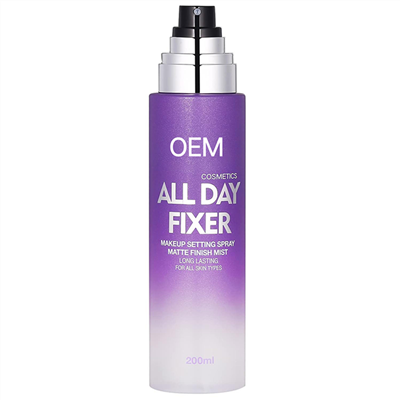
If you want to learn more about our facial oil options for normal skin, or have any questions about picking the right oil, feel free to reach out for purchasing discussions.
Facial Skincare References
- Draelos ZD. The role of facial oils in skin hydration and barrier function. Journal of Cosmetic Dermatology, 2019; 18(4): 1042-1046.
- Thiboutot DM. Sebum and sebaceous gland function in acne and non-acne skin. Journal of the American Academy of Dermatology, 2004; 51(5): 737-749.
- Pinnell SR. Cutaneous photodamage, oxidative stress, and topical antioxidant protection. Journal of the American Academy of Dermatology, 2003; 48(1): 1-19.
- Bianchi A, et al. Non-comedogenicity of natural vegetable oils in human skin: an in vivo study. International Journal of Cosmetic Science, 2008; 30(4): 289-295.
Guangdong Daimeishi Biotechnology Co., Ltd.
Address: Room 304, Building 3, Quantum Creation Space, No. 4, Industrial 2nd Road, Jiahewanggang, Baiyun District, Guangzhou
E-mail: 371190615@qq.com
WebSite: https://www.zgdms.com/
