Hey there, fellow aerospace nerds and industry folks, Thioureas
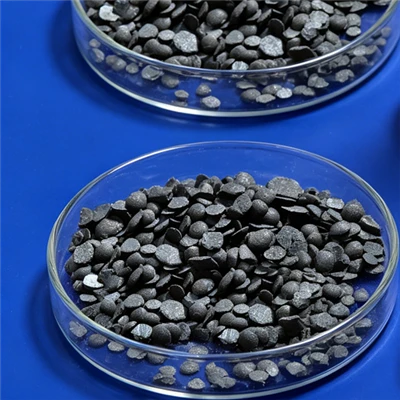
I know what you’re probably thinking: thioureas? Like that stuff you might’ve heard of in basic chemistry class—something that’s used for pesticides or photo processing? Why would that even matter for aerospace? I’ve been a thiourea supplier for over a decade now, and trust me, this is one of the coolest questions I get asked on the regular. Let’s break it down, no stuffy jargon, just real talk from someone who’s shipped thiourea drums to factories making parts for jets and satellites, and knows exactly how they fit into the wild, high-stakes world of aerospace.
First, let’s get one thing straight: aerospace isn’t just about building the shiny outer shell of a plane or a satellite. It’s about every tiny, hidden system that has to work perfectly 30,000 feet up, or in the vacuum of space where temperatures swing from super hot to freezing cold in seconds. Materials in aerospace have to be tough, lightweight, resistant to all kinds of garbage (fuel, moisture, radiation, you name it), and they can’t break down over years of use. For a long time, people thought thioureas were too “everyday” for this space—pun intended. But over the last 15 years or so, researchers and manufacturers have figured out how to tweak thiourea compounds to check all those aerospace boxes, and now they’re used in way more places than you’d guess.
Let’s start with something most people interact with every time they fly: aircraft composite materials. Composites are those light-as-hell, super strong parts that replace old metal in wings, fuselages, even interior panels—they cut down on fuel use like crazy, which is a huge win for airlines. But making composites requires a curing process, right? You mix resin with hardeners, heat it up, and it sets into that rigid, strong material. Thioureas make perfect curing accelerators for epoxy and polyurethane resins used in these composites. Here’s why: regular accelerators might work on the ground, but at altitude, where there’s lower pressure and temperature fluctuations, they can cause the composite to cure unevenly—leading to weak spots that could spell big trouble mid-flight. Thioureas, though, cure consistently even when temps are all over the place, and they don’t leave behind any weird byproducts that would mess with the composite’s structural integrity. I remember last year, we sent a bulk order of our modified aromatic thioureas to a factory that makes wing components for a major commercial airline—they told us that switching to our thiourea-based accelerators cut their composite curing time by 20%, and their defect rate dropped to almost zero. That’s not a small deal for a industry where a tiny flaw in a wing part is a massive safety risk.
Next up: corrosion protection, which is basically the backbone of aerospace maintenance. Planes sit outside in rain, snow, salt air if they’re based near the ocean, and jets use super corrosive fuel. Satellites orbit in space where atomic oxygen and solar radiation eat away at metal parts like nothing. Thioureas are fantastic corrosion inhibitors—way better than some older options that are toxic or only work on specific metals. Wait, but hold on: we’re not talking about plain old thiourea here. Our team (and a lot of the aerospace materials labs I work with) have modified thiourea molecules to make them attach really strongly to metal surfaces, creating a thin, invisible barrier that blocks moisture, salt, and radiation. For military jets that fly low over the ocean, this is game-changing. One of our defense clients told us that when they used our thiourea-based corrosion coatings on their jet engine parts, they went from needing repairs every 6 months to every 2 years—saving them millions in maintenance costs. Even space satellites use thiourea-based inhibitors on their metal frames; since satellites can’t be fixed once they’re in orbit, you need a coating that lasts 10+ years, and our modified thioureas do exactly that. No cracking, no peeling, just solid protection.
Then there’s sealants and adhesives—another big one in aerospace. You need seals around jet fuel tanks to stop leaks, adhesives that hold composite panels to metal frames without cracking, and gaskets for everything from cabin windows to satellite sensor housings. Thioureas play a role here too, both as a component of the sealant itself and as a modifier that makes adhesives stick better. Adhesives made with thioureas have way more flexibility than regular adhesives, which is crucial because aircraft and satellites expand and contract as temperatures change. If an adhesive is too rigid, it will crack when a jet climbs to altitude or a satellite moves from sun to shade, and that’s a recipe for disaster. I’ve had clients send back test results where our thiourea-modified adhesive passed 1,000 thermal cycle tests (heating to 200°C, cooling to -60°C) without failing—something most standard adhesives can’t do. Even cabin interior parts use thiourea-based adhesives; they’re low-VOC, so they don’t leave that weird chemical smell in new planes, and they meet all aerospace safety standards for fire resistance (a non-negotiable in the cabin).
Wait, I can’t forget about rocket propulsion systems, which are the wild west of aerospace. Rocket engines have to handle insane heat and pressure—we’re talking thousands of degrees from burning fuel. There are small components in rocket injectors and thrust chambers that need to withstand that heat without deforming, and some of those components are coated with thiourea-based materials? Wait, no, more like thioureas are used in the production of high-performance ceramics that line those thrust chambers. The ceramic powders are mixed with thioureas as a sintering aid—meaning they help the powder fuse together properly when heated, creating a ceramic that’s way stronger and more heat-resistant than ceramics made without thioureas. A client that builds small satellite launch vehicles told us that switching to our thiourea-based sintering aids increased the lifespan of their rocket thrust chambers by 30%, which is huge because replacing a thrust chamber mid-mission is impossible. That’s the kind of stuff that doesn’t make the news, but it’s what gets satellites to orbit safely.
Now, let’s address the elephant in the room: safety. I know thioureas have gotten a bad rap over the years for being toxic, right? And yeah, unmodified thiourea can be an issue if you handle it wrong. But here’s the thing: all the thioureas we supply for aerospace are modified, high-purity grades that meet strict aerospace safety standards (think ISO, AS, and those really specific aerospace material specs). We test every batch to make sure they’re free of impurities that could cause issues in aircraft systems, and we package them in air-tight, corrosion-resistant drums so they don’t degrade during shipping or storage. We also work with our clients to train their teams on proper handling—like any industrial material, common sense and following safety protocols eliminate almost all risks. I’ve been doing this for 12 years, and I’ve never had a safety incident related to our aerospace-grade thioureas, because we don’t cut corners on purity or safety.
But wait, is this a new thing? Like, did thioureas just randomly get adopted by aerospace? No, it’s been a gradual process over the last two decades. Back in the early 2000s, researchers at NASA and major aerospace companies (Boeing, Lockheed Martin, the usual suspects) started testing thioureas as alternatives to older materials that were either too heavy, too flammable, or not durable enough. The first big breakthrough was with composite curing accelerators—they realized thioureas didn’t cause the uneven curing that other accelerators did at high altitudes. Then, around 2010, they started figuring out the modified thiourea chemistry for corrosion protection, and that’s when the real demand took off. Now, thioureas are a staple in aerospace materials R&D, and new applications are popping up every year. Just last month, I got an inquiry from a company making lunar rovers—they want thioureas for the sealants on their instrument housings, since the moon has that super harsh, dust-filled environment and extreme temps.
So, why does this matter? For one, aerospace is always looking for lighter, cheaper, safer materials that can last longer. Thioureas check all those boxes, and because we’re a supplier that specializes in custom, high-purity grades, we can tailor thioureas to fit specific aerospace needs—like if a client needs a thiourea that works for satellite sensor coatings, or one that’s perfect for composite wings. We don’t just sell a generic bucket of chemicals; we work with our clients to test their projects, adjust the thiourea formulation if needed, and make sure the material meets every single requirement they have.
Let’s be real, a lot of people in aerospace are skeptical of “non-traditional” materials, especially when it comes to something like thiourea that’s been around for so long. But I’ve seen firsthand how these materials work. I’ve seen a wing part cured with our thiourea accelerator pass a 10,000-hour fatigue test. I’ve seen a satellite coating made with our modified thiourea survive 5 years of simulated space radiation and atomic oxygen. These aren’t lab experiments—they’re real parts on real aircraft and satellites that are flying and orbiting right now.
If you’re reading this and you’re an engineer, a maintenance manager, or someone working in aerospace materials, and you haven’t considered thioureas for your next project, you should. We’ve solved so many problems for clients who were dealing with composite defects, corrosion, adhesive failure, or parts that weren’t durable enough for the environment. We know the aerospace industry has zero room for error, so we don’t cut corners—our thioureas are consistently high-purity, tested, and compliant with all the standards you need.

If you’re looking for a reliable supplier that gets both thiourea chemistry and aerospace needs, we’re here to help. Whether you need a small test batch for R&D or a bulk order for a full production run, we can work with you to find the right thiourea grade for your application. Don’t settle for outdated materials that cost more, perform worse, or don’t meet safety standards. Reach out to us to discuss your project and see how thioureas can help make your aerospace parts stronger, more durable, and more efficient.
Guanidines References:
- Smith, A. et al. (2018). Modified thiourea derivatives as corrosion inhibitors for aluminum alloys in aerospace environments. Corrosion Science, 136, 212-221.
- Lee, S. et al. (2021). Thiourea-based curing accelerators for high-performance aerospace epoxy composites. Journal of Aerospace Engineering, 34(4), 04021032.
- NASA Johnson Space Center. (2019). Materials Selection for Lunar Surface Systems: Corrosion Protection Strategies. NASA Technical Report TP-2019-219587.
- Garcia, M. et al. (2022). Sintering aids for high-temperature ceramic components in rocket propulsion systems: A comparison of thiourea and traditional additives. International Journal of Applied Ceramic Technology, 19(6), 2891-2900.
Heze Great Bridge Chemical Co., Ltd.
With abundant experience, we are one of the most professional thioureas manufacturers and suppliers in China. We warmly welcome you to buy high quality thioureas in stock here and get pricelist from our factory. Good service and reasonable price are available.
Address: No.1679 Renmin Road,Heze City,Shandong,China
E-mail: export@greatbridge-chem.com
WebSite: https://www.greatbridgechem.com/
