As a Cut To Length Line (CTL) supplier with over 15 years in the business, I’ve sat through countless post-shift debriefs with plant maintenance teams who ask the same question: “Why is our line’s waste collection system backing up every three days, even though we empty it on schedule?” The answer almost always circles back to a simple truth: most teams clean the CTL’s waste collection system as an afterthought, rather than as a critical component of the line’s overall efficiency. For anyone who relies on CTLs to process coil stock for automotive, appliance, or construction industries—where even a 30-minute downtime can cost thousands in delayed orders—ignoring this step isn’t just a minor oversight. It’s a costly one. Cut To Length Line
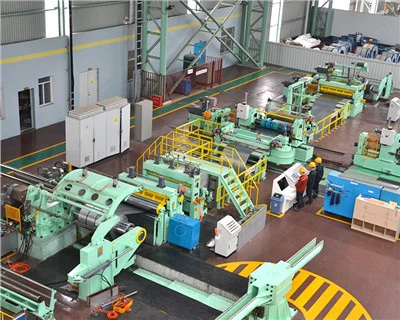
Let’s start by breaking down exactly what we’re dealing with. The waste collection system on a modern CTL isn’t a single bin under the shear. It’s a network that includes the scrap chopper (or shear chute), the cross-conveyor that moves offcuts, the baler feed hopper, and the suction lines that pull light scrap like trims and edge debris away from the moving sheet. Each part has a specific job, and each is prone to a specific type of buildup that can grind production to a halt. For example, carbon steel offcuts stick together when they’re hot from the shear, building up in the chute until they jam the cross-conveyor. Light plastic or rust scrap sticks to the walls of suction lines, reducing airflow until the line can’t pull small trim pieces away fast enough, leading to those pieces getting caught in the shearing mechanism and bending or tearing the finished sheet.
Over the years, I’ve worked with plants across North America and Europe, tweaking cleaning protocols to fit different line speeds and scrap types. The most successful teams have one thing in common: they don’t wait for a jam to clean. They follow a structured, scheduled process that adjusts for their line’s specific operating conditions. Below, I’ll walk you through the step-by-step cleaning process we’ve refined for our CTLs, along with the common mistakes that make cleaning more work than it needs to be, and how to avoid them.
First, timing is everything. The worst time to clean the waste system is mid-shift, when the line is running and pressure is high. We recommend scheduling a full cleaning during the weekly preventive maintenance (PM) shutdown—usually 2 to 4 hours, depending on line size. If your line runs 24/7, split the cleaning into two parts: a 15-minute quick clean at the end of every 500 coil tons processed, and a full deep clean every other week during a shorter shift change. The quick clean only takes care of the obvious buildup, while the deep clean gets into the hard-to-reach areas that cause long-term issues.
Let’s move to the process itself, starting with the prep work. Before you touch any part of the system, safety comes first. Lockout/tagout (LOTO) is non-negotiable—turn off power to the shear, cross-conveyor, and suction unit, and post warning signs so no one accidentally starts the line while you’re inside. Wear protective gear: steel-toe boots, cut-resistant gloves, and safety goggles. Scrap metal has sharp edges, and suction lines can trap small debris that blows out when you open them.
Once you’re safely prepared, start with the shear chute, the point where the largest and heaviest waste pieces fall from the shearing operation. This is the part that gets the most attention, but it’s also where most teams make a mistake: they just shovel out the obvious pile and call it done. Over time, fine metal dust and small slivers get compacted into the corners and along the walls of the chute. This compacted dust doesn’t just take up space—it can harden like concrete, and when a large offcut hits it, it can deflect the offcut into the side of the chute, causing dents that eventually lead to costly repairs.
To clean the shear chute properly, first use a heavy-duty scraper to remove all large, stuck pieces from the bottom and corners. Then, use a stiff-bristled wire brush to scrub the walls, working from top to bottom. For compacted dust that won’t come off with a brush, we recommend a high-pressure air nozzle (set to no more than 100 PSI—too much pressure can damage the chute lining) to blow the dust into a collection bin. Never use water to clean the metal chute, especially if your scrap is going to be recycled immediately. Water can cause flash rust on steel scrap, which lowers its value and makes it harder to process for recycling.
Next, move to the cross-conveyor, the long belt that carries offcuts from the chute to the baler hopper. Most cross-conveyor jams start with buildup on the sides of the belt. Small pieces of scrap get stuck between the belt and the side guides, and over time, more pieces accumulate until they push the belt out of alignment, causing it to rub against the conveyor frame and wear out prematurely. To clean the cross-conveyor, first pull back the safety guards to access the belt. Use a rubber mallet to gently tap the side guides loose, so you can lift the belt slightly to remove any trapped scrap. Then, run the empty belt for a minute while using a soft brush to remove any light dust from the surface. If your belt has a sticky residue from coated steel or aluminum scrap, a mild, pH-neutral detergent mixed with warm water works—just make sure to dry the belt thoroughly before putting the guards back on, to prevent rust. Don’t forget to clean the conveyor’s drive rollers and idlers at the same time. Dirt and dust on the rollers cause the belt to slip, which reduces the line’s speed and increases energy use.
The next part is often overlooked but equally critical: the suction lines, which are used on almost all modern CTLs to remove light scrap like edge trims, rust flakes, and small dust particles from the shearing area. These lines are usually made of galvanized steel or plastic, and their narrow diameter makes them perfect spots for buildup. Over time, fine metal dust sticks to the interior walls, reducing airflow. When airflow drops, suction is weaker, so light scrap doesn’t get pulled away—it falls onto the finished sheet, leaving marks that require rework or even scrap the entire coil.
Cleaning suction lines requires a careful approach. First, disconnect the line from the suction unit (wear a mask here—metal dust is fine and can irritate lungs if inhaled) and use a long, flexible brush designed for pipe cleaning to reach all the way through. For hard-to-remove dust, you can use a combination of low-pressure air and a vacuum to suck the dust out, instead of blowing it into the air. Some of our customers use a small portable HEPA vacuum for this step, which makes the job cleaner and safer. It’s also a good idea to check the suction line’s filters during cleaning. Clogged filters are a common cause of weak suction, so if your filter looks dirty, replace it or clean it according to the manufacturer’s instructions.
Finally, the baler feed hopper, which is where all the waste from the cross-conveyor and suction lines ends up. This area is prone to buildup because scrap often gets stuck in the inlet or along the sides of the hopper. If buildup here gets too thick, it can block the flow of scrap to the baler, leading to uneven bales and wasted time. To clean the baler hopper, first remove any loose scrap, then use a scraper to remove compacted buildup from the walls. Make sure to check the hopper’s drain holes (used for any accidental moisture) to make sure they’re not clogged—standing water in the hopper causes rust on the scrap, which again lowers its recycling value.
Now, let’s talk about common mistakes that I see plants make that make cleaning the waste collection system harder and less effective. The first is using the wrong tools. A small household broom isn’t going to remove compacted metal dust from a shear chute, and high-pressure air can damage thin-walled suction lines. Invest in the right tools: heavy-duty scrapers, wire brushes, pipe cleaning brushes, and a HEPA vacuum. The small cost of these tools will save you hours of downtime from jams.
The second mistake is skipping small inspections during cleaning. When you’re inside the chute or conveyor, take two minutes to check for wear and tear. Are there dents in the shear chute that could deflect scrap? Are the cross-conveyor’s side guides bent? Are the suction lines cracked, which would let air escape and reduce suction? Fixing these small issues during cleaning prevents bigger problems down the line. We supply all our CTLs with a full set of inspection checklists for the waste system, and we always remind customers that a quick check during cleaning is way better than a 4-hour shutdown to replace a broken chute.
The third mistake is not adjusting the cleaning schedule for your specific scrap type. A CTL that processes heavy carbon steel will need more frequent deep cleans than one that processes thin aluminum, because steel produces heavier, denser scrap that causes more buildup. If you process coated steel (like galvanized or pre-painted), the scrap is more likely to stick to the chute and conveyor, so you’ll need to clean more often to prevent buildup. If you’re not sure how often to clean, track your line’s performance: if you notice that jams happen every 3 days, or that suction is weaker than usual, that’s a sign you need to adjust your schedule.
Over the years, I’ve seen plants that take this cleaning process seriously see a 15-20% reduction in unplanned downtime related to waste system jams. I had a customer in Detroit last year who was losing 6 to 8 hours a month to waste system jams before we implemented this structured cleaning process. After they switched to a weekly deep clean and 500-ton quick cleans, that downtime dropped to less than 2 hours a month—enough for them to take on three extra orders in six months, which added up to over $200,000 in new revenue. That’s the value of a cleaning process done right.

If you’re struggling with waste system issues, or if you want to optimize your CTL’s performance, don’t hesitate to reach out. As a CTL supplier, we don’t just sell lines—we provide the support and processes to keep them running at peak efficiency. We work with plants of all sizes, from small fabricators to large automotive parts manufacturers, to customize cleaning protocols that fit their specific lines and operations. Whether you need help troubleshooting a recurring jam, refining your preventive maintenance schedule, or upgrading your waste collection system’s components, we’re here to help. Reach out to our team today to schedule a consultation and get your line running smoother and more efficiently than ever before.
Cut To Length Line References:
- Steel Processing and Fabrication Association (SPFA). "Preventive Maintenance Guidelines for Cut-to-Length Lines". 2022.
- Occupational Safety and Health Administration (OSHA). "Workplace Safety for Metal Fabrication Facilities". 2021.
- American Iron and Steel Institute (AISI). "Recycling Best Practices for Steel Scraps from Processing Lines". 2020.
- International Material Handling Systems Association (IMHSA). "Conveyor Maintenance for Metal Processing Equipment". 2023.
Shanghai HOYO Industries Co., Ltd.
Shanghai HOYO Industries Co., Ltd. is one of the most professional cut to length line manufacturers and suppliers in China, featured by quality products and competitive price. Please rest assured to buy cheap cut to length line for sale here from our factory. Contact us for customized service.
Address: No.8, Jianding Road, Fengjing Town, Jinshan District, Shanghai, China
E-mail: info@hoyomachinery.com
WebSite: https://www.hoyomachinery.com/
