Hey there! I’m a supplier of hotel loose furniture, and one of the most common questions I get from hoteliers is how to measure the space for hotel loose furniture placement. It’s a crucial step in creating a comfortable and functional hotel environment, so I thought I’d share some tips and tricks based on my experience in the industry. Hotel Loose Furniture
Why Measuring the Space is Important
First off, let’s talk about why measuring the space is so important. When you’re placing loose furniture in a hotel room or public area, you want to make sure that everything fits properly and looks good. If the furniture is too big, it can make the space feel cramped and uncomfortable. On the other hand, if the furniture is too small, it can look out of place and not provide enough functionality.
Measuring the space also helps you plan for the layout of the room. You can determine where to place the beds, sofas, tables, and other furniture pieces to create a balanced and aesthetically pleasing arrangement. This is especially important in hotel rooms, where the layout can have a big impact on the guest experience.
Tools You’ll Need
Before you start measuring, you’ll need a few tools. Here’s what I recommend:
- Tape Measure: A good quality tape measure is essential for accurate measurements. Make sure it’s long enough to measure the length and width of the room, as well as the height of the walls.
- Notebook and Pen: You’ll need a place to write down your measurements and any notes you have about the space.
- Graph Paper: Graph paper can be helpful for creating a scale drawing of the room. This can make it easier to visualize the layout and plan for the furniture placement.
Measuring the Room
Now that you have your tools, it’s time to start measuring the room. Here’s a step-by-step guide:
- Measure the Length and Width: Start by measuring the length and width of the room. Measure from wall to wall, making sure to measure in a straight line. Write down the measurements in your notebook.
- Measure the Height of the Walls: Next, measure the height of the walls. This is important if you’re planning to hang artwork or install shelves. Write down the height measurement in your notebook.
- Measure the Doorways and Windows: Measure the width and height of the doorways and windows. This will help you determine if the furniture will fit through the doorways and if it will block the windows. Write down the measurements in your notebook.
- Measure Any Obstacles: Look for any obstacles in the room, such as columns, fireplaces, or built-in cabinets. Measure the size and location of these obstacles and write down the measurements in your notebook.
Creating a Scale Drawing
Once you have all of your measurements, it’s time to create a scale drawing of the room. This will help you visualize the layout and plan for the furniture placement. Here’s how to do it:
- Choose a Scale: Decide on a scale for your drawing. For example, you might choose a scale of 1/4 inch = 1 foot. This means that every 1/4 inch on the drawing represents 1 foot in real life.
- Draw the Room: Use your graph paper to draw the outline of the room. Make sure to use the scale you chose to draw the length and width of the room accurately.
- Add the Obstacles: Add the obstacles you measured, such as columns, fireplaces, and built-in cabinets, to the drawing. Make sure to draw them to scale.
- Plan the Furniture Placement: Use the scale drawing to plan the furniture placement. You can cut out pieces of paper to represent the furniture and move them around on the drawing to see how they fit. This will help you determine the best layout for the room.
Considering the Functionality of the Space
When planning the furniture placement, it’s important to consider the functionality of the space. Here are some things to keep in mind:
- Guest Flow: Think about how guests will move through the room. Make sure there is enough space for them to walk around the furniture without feeling cramped.
- Seating Arrangement: Consider the seating arrangement in the room. You want to make sure there is enough seating for the number of guests who will be using the room.
- Storage: Think about the storage needs of the room. You may need to include a dresser, wardrobe, or other storage furniture to provide enough space for guests to store their belongings.
- Aesthetics: Finally, consider the aesthetics of the room. You want the furniture to look good and fit in with the overall design of the hotel.
Working with a Professional
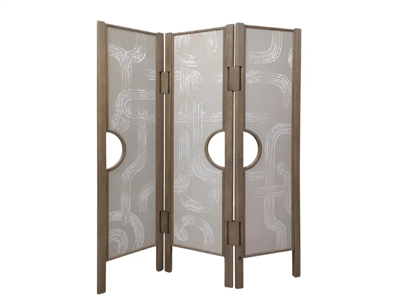
If you’re not confident in your ability to measure the space and plan the furniture placement, you may want to consider working with a professional. An interior designer or a furniture supplier can help you create a functional and aesthetically pleasing layout for your hotel.
Conclusion
Case Goods Furniture Measuring the space for hotel loose furniture placement is an important step in creating a comfortable and functional hotel environment. By following these tips and tricks, you can ensure that the furniture fits properly and looks good in the room. If you have any questions or need help with your furniture placement, don’t hesitate to contact me. I’m here to help you create the perfect hotel environment for your guests.
References
- Interior Design for Hotels: Principles and Practice by David M. Schwarz
- Hotel Furniture: Design, Selection, and Specification by Stephen S. Hostettler
Jiamei Wood Co., Ltd.
As one of the most professional hotel loose furniture manufacturers and suppliers in China, we also support customized service. Please feel free to wholesale cheap hotel loose furniture for sale here from our factory. For price consultation, contact us.
Address: Room 1802, No. 2nd, Kexing Road, Baiyun District, Guangzhou, Guangdong Province, China
E-mail: sq@jiameiwood.com
WebSite: https://www.jiameiwood.com/
