In the dynamic world of product identification and branding, plastic labels play a pivotal role. As a dedicated plastic label supplier, I’ve witnessed firsthand the diverse range of information that can be effectively printed on these labels. This blog post will delve into the various types of information that can adorn plastic labels, exploring their significance and the impact they have on products and businesses. Plastic Label
Product Information
One of the primary functions of plastic labels is to convey essential product information. This includes details such as the product name, model number, and a brief description. The product name is the most fundamental piece of information, serving as the identifier for the item. It should be clear, concise, and easily recognizable. For example, if you’re selling a line of smartphones, the label should prominently display the brand and model name, like "XTech Smartphone Model X10."
The model number is equally important, especially for products with multiple variations. It helps customers and retailers distinguish between different versions of the same product. A detailed product description can provide additional information about the product’s features, functions, and benefits. This could include things like the material used, dimensions, weight, and any special features. For instance, a label on a piece of sports equipment might mention that it’s made of high – strength carbon fiber, is lightweight, and has an ergonomic design.
Ingredient and Composition Details
For products in the food, cosmetic, and pharmaceutical industries, ingredient and composition details are crucial. On plastic labels, these details must be accurate and comprehensive. In the food industry, labels should list all the ingredients in descending order of weight. This information is not only important for consumers with allergies or dietary restrictions but also for regulatory compliance.
Cosmetic labels need to disclose the ingredients used in the product, as well as any potential allergens. This helps consumers make informed decisions about the products they use on their skin. Pharmaceutical labels, on the other hand, must provide detailed information about the active ingredients, dosage instructions, and possible side effects. This ensures the safe and proper use of the medication.
Usage and Safety Instructions
Usage and safety instructions are vital for the proper and safe use of products. Plastic labels can be used to print clear and concise instructions on how to use a product. For example, a label on a household cleaning product might include instructions on how to dilute the product, where to use it, and how to store it safely.
Safety instructions are also critical, especially for products that pose potential hazards. This could include warnings about flammability, toxicity, or the need for protective equipment. For instance, a label on a chemical product might have a warning symbol and text indicating that it should be used in a well – ventilated area and that gloves and goggles should be worn.
Branding and Marketing Information
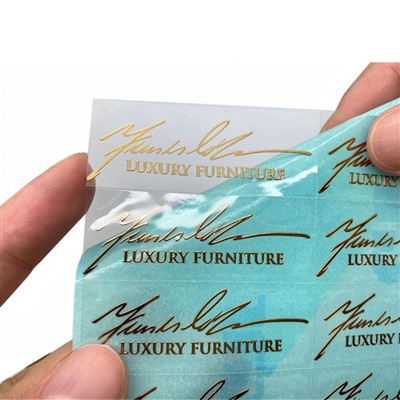
Plastic labels are an excellent platform for branding and marketing. A well – designed label can enhance a brand’s visibility and recognition. The label can feature the company logo, which is the visual representation of the brand. The logo should be prominently displayed and in a high – quality format.
In addition to the logo, labels can include branding slogans or taglines. These short, catchy phrases help to convey the brand’s message and values. For example, a sports brand might have a tagline like "Unleash Your Potential" printed on its product labels. Marketing information such as special offers, discounts, or new product launches can also be included on the labels. This can attract customers and encourage them to make a purchase.
Barcodes and QR Codes
Barcodes and QR codes are increasingly being used on plastic labels. Barcodes are a series of vertical lines and spaces that represent data. They are commonly used for inventory management, pricing, and point – of – sale scanning. Retailers can quickly scan the barcode to get information about the product, such as its price and stock level.
QR codes, on the other hand, are two – dimensional barcodes that can store more information. They can be scanned using a smartphone camera, and when scanned, they can direct the user to a website, a product video, or additional product information. This provides an interactive experience for the consumer and can help to increase engagement with the brand.
Regulatory and Compliance Information
Depending on the industry and the product, plastic labels may need to include regulatory and compliance information. This could include things like product certifications, such as ISO certifications or safety standards compliance. For example, a label on a medical device might display the CE mark, indicating that it meets the European Union’s safety, health, and environmental protection requirements.
Labels may also need to include information about country of origin, especially for products subject to import/export regulations. This helps to ensure transparency and compliance with international trade laws.
Serial Numbers and Tracking Information
For products that require tracking, such as electronics or high – value items, plastic labels can be used to print serial numbers. Serial numbers are unique identifiers for each product, which can be used for warranty purposes, inventory management, and anti – counterfeiting measures.
Tracking information, such as batch numbers or production dates, can also be included on the labels. This allows manufacturers and retailers to trace the origin and history of a product, which is important for quality control and recall management.
Design Considerations for Printing Information on Plastic Labels
When printing information on plastic labels, several design considerations need to be taken into account. First, the font size and style should be legible. The text should be large enough to be easily read, even from a distance. The font style should also be appropriate for the brand and the product. For example, a modern and high – tech brand might use a sleek and minimalist font, while a traditional brand might opt for a more classic font.
The color scheme is also important. The colors used on the label should be eye – catching and consistent with the brand’s identity. Contrast between the text and the background is crucial to ensure readability. Additionally, the label should be designed in a way that the information is organized and easy to understand. Group related information together and use headings and sub – headings to make the label more navigable.
Conclusion
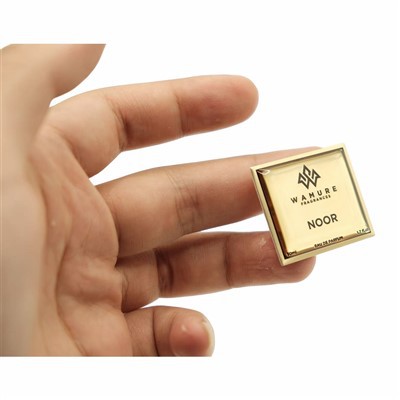
In conclusion, plastic labels can carry a wide variety of information, from essential product details to branding and marketing messages. As a plastic label supplier, I understand the importance of providing high – quality labels that effectively convey the necessary information. Whether it’s for product identification, safety, or marketing purposes, plastic labels are a versatile and valuable tool for businesses.
Label If you’re in need of plastic labels for your products, I’d be more than happy to discuss your specific requirements. Our team of experts can help you design and print labels that meet your needs and exceed your expectations. Contact us to start a conversation about your plastic label procurement and take the first step towards enhancing your product’s presentation and information delivery.
References
- "Labeling Requirements for Food Products" – Food and Drug Administration
- "Cosmetic Labeling Guidelines" – Federal Trade Commission
- "Medical Device Labeling Regulations" – European Union Medical Device Regulation
Guizhou Mingguan Sign Nameplate Products Co., Ltd.
We’re well-known as one of the leading plastic label manufacturers and suppliers in China. With abundant experience, we warmly welcome you to wholesale bulk customized plastic label at low price from our factory. For quotation and free sample, contact us now.
Address: Xinpu New District, Zunyi City, Guizhou Province of China
E-mail: zhangyixuanmglabel@126.com
WebSite: https://www.mingguan-label.com/
