Hey there! As a supplier of fiber optic terminators, I’ve seen my fair share of issues that customers run into. In this blog, I’ll share some tips on how to troubleshoot fiber optic terminator issues. Fiber Optic Terminator

Checking the Basics
First off, let’s start with the basics. The most common reasons for fiber optic terminator problems often boil down to simple things. Begin by checking the physical connections. Make sure the terminators are properly plugged into the fiber optic cables. Sometimes, a loose connection can cause signal loss or interference. It sounds obvious, but I can’t tell you how many times a quick push to secure the terminator has fixed the problem.
Next, take a look at the cables themselves. Check for any visible damage like cuts, kinks, or bends. A damaged cable can disrupt the light signal traveling through the fiber, leading to poor performance. If you spot any damage, you’ll likely need to replace the cable.
Inspecting the Terminator
Now, let’s focus on the terminator itself. One key thing to do is inspect the ferrule. The ferrule is the part of the terminator that holds the fiber in place and mates with other connectors. Over time, it can get dirty or scratched. You can use a microscope or a fiber inspection scope to check the ferrule’s end face. If it’s dirty, you can clean it using a proper fiber cleaning tool. I usually recommend using a lint – free cleaning wipe and some isopropyl alcohol. Gently wipe the ferrule end face following the manufacturer’s instructions.
See if there are any scratches on the ferrule. Even a small scratch can scatter the light signal and cause a loss. If you find a scratched ferrule, unfortunately, it might be necessary to replace the terminator.
Testing the Signal
After making sure the connections and the terminator are in good physical condition, it’s time to test the signal. You’ll need some specialized equipment, like an optical time – domain reflectometer (OTDR) or a light source and power meter.
An OTDR is really useful as it can provide a detailed analysis of the fiber link. It sends a pulse of light into the fiber and measures the reflected light. By analyzing the data, you can detect any breaks, bends, or excessive losses in the fiber. If the OTDR shows high loss or abnormal reflections near the terminator, it could indicate an issue with the terminator or the connection at that point.
A light source and power meter can also be used. Connect the light source to one end of the fiber and the power meter to the other. Measure the power level of the light signal. Compare the measured power with the expected power level. If the measured power is significantly lower than expected, there might be a problem with the terminator or the fiber itself.
Environmental Factors
Don’t forget about the environment where the fiber optic terminators are installed. Extreme temperatures, high humidity, and dust can all affect the performance of the terminators.
In high – temperature environments, the materials in the terminator can expand, which might cause misalignment or damage. On the other hand, low temperatures can make the materials brittle. Make sure the installation area has proper temperature control.
Humidity can cause corrosion on the metal parts of the terminator and also promote the growth of mold. If the humidity is too high, consider using a dehumidifier in the area.
Dust is another big culprit. Dust particles can settle on the ferrule and cause signal loss. Try to keep the installation area clean and use dust caps on the terminators when they’re not in use.
Compatibility Issues
Sometimes, the problem can be due to compatibility issues. Make sure the terminators you’re using are compatible with the fiber optic cables and other devices in your system. Different types of fibers, such as single – mode and multi – mode, require different terminators.
Check the connector type as well. For example, an SC connector might not be compatible with an LC – type device. Using incompatible connectors can lead to high insertion loss and poor signal quality.
Troubleshooting in a Network
If you’re dealing with fiber optic terminators in a network, it can be a bit more complicated. First, isolate the problem. Try to determine if the issue is with a single terminator or if it’s affecting multiple parts of the network.
If it’s a single terminator causing problems, remove it from the system and test it separately. If removing the terminator solves the network issue, then you’ve found the culprit. You can then replace it with a new one.
If multiple terminators seem to be affected, it could be a problem with the overall network infrastructure. Check for issues like power outages, network congestion, or problems with the network switches or routers.
Best Practices for Troubleshooting
When troubleshooting fiber optic terminator issues, it’s important to keep good records. Write down what you’ve checked, what tests you’ve done, and the results. This can help you track the progress of the troubleshooting process and also provide valuable information if you need to consult with a technical expert or if the problem occurs again in the future.
Also, follow safety procedures. Working with fiber optic cables and terminators can be dangerous, especially when dealing with high – power light sources. Wear appropriate safety gear, such as safety glasses, and make sure you’re familiar with the proper handling procedures.
Conclusion
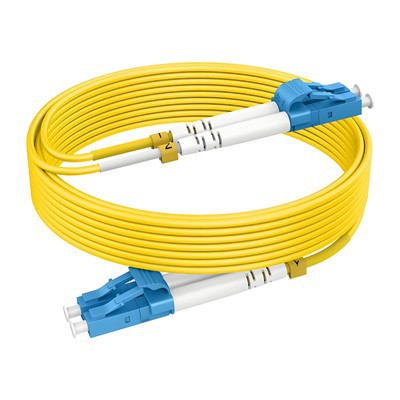
Troubleshooting fiber optic terminator issues might seem daunting at first, but by following these steps, you can often find and fix the problem. Remember to check the basics, inspect the terminator, test the signal, consider environmental factors, and look out for compatibility issues.
Fiber Splitter If you’re facing persistent problems or if you’re not sure how to proceed, don’t hesitate to reach out. As a fiber optic terminator supplier, I’m here to help you with any technical questions or to provide you with high – quality terminators that can meet your needs. Whether you’re a small – scale operator or a large – scale enterprise, we’ve got the right solutions for you. If you’re interested in purchasing fiber optic terminators or need further advice on troubleshooting, feel free to contact us for a friendly chat and to discuss your requirements.
References
- "Fiber Optic Installation and Troubleshooting Handbook"
- Industry – specific whitepapers on fiber optic technology
- Manufacturer’s documentation for fiber optic terminators and related equipment
Brolink Technologies (Dongguan) Co., Ltd.
As one of the most experienced fiber optic terminator manufacturers and suppliers in China, we offer a wide range of products with superior quality. We warmly welcome you to buy high-grade fiber optic terminator in stock here and get quotation from our factory. For price consultation, contact us.
Address: Room 201, Unit 2, Building 16, 77 Dongguan Science And Technology Park, Shilong Road, Guanlong Road, Dongcheng District,Guangdong province,China
E-mail: scwang@brolinktech.com
WebSite: https://www.brolinkopt.com/
