If you’ve ever buckled up on a road trip, commuter flight, or even a cross-country train ride, you’ve probably glanced at that tiny, fabric pouch stitched to the back of the seat in front of you. Most people brush it off as a trivial afterthought—a place to crumple a receipt or stow a water bottle when they don’t know where else to put it. But as the owner of a small seat belt accessories supply business, I’ve spent years digging into what these pouches are actually designed to do, beyond their casual side uses. Today, I want to break down their core, practical purposes, the often-overlooked science behind their design, and why they’re not just a “nice-to-have” add-on for automotive and aerospace manufacturers. Seat Belt Accessories
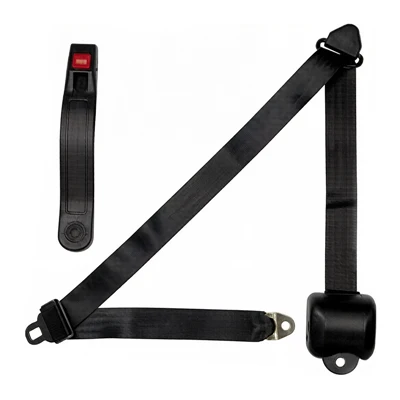
Let’s start with the most basic, underrated function: organization that doesn’t interfere with safety. When a passenger is seated, their immediate reach is limited by the seat in front, the seat belt across their lap and shoulder, and the general space between seat cushions and backrests. Without a dedicated, secure spot for small items, loose objects often end up in two bad places: the floor, where they can get lost, or in the footwell, where they become a distraction. I’ve heard countless stories from bus drivers and flight attendants over the years about passengers fumbling to grab a fallen phone mid-ride, reaching so far that they lean forward, unbuckling their seat belt or shifting into the aisle where they could collide with a beverage cart or another passenger. That’s where seat belt pouches solve a real, safety-focused problem. They’re positioned directly at a passenger’s line of sight and within easy reach, so small, frequently used items like headphones, lip balm, boarding passes, or medication can be stored securely without forcing someone to stretch or lose focus on the road or flight ahead.
But that’s not the only core purpose—they’re also designed to reduce cabin clutter, which is a bigger safety and comfort issue than most people realize. Aerospace engineers have known for decades that loose objects in an aircraft cabin become dangerous in the event of sudden turbulence or an emergency landing. A 2022 report from the Federal Aviation Administration (FAA) documented over 1,000 passenger injuries between 2017 and 2021 caused by flying debris during unexpected turbulence, with items like phones, books, and even unsecure water bottles being the most common culprits. A properly designed seat belt pouch is made from a durable, tear-resistant fabric (we use 1000-denier nylon for most of our commercial-grade pouches, for reference) with reinforced stitching along all seams, so it can hold up to sudden jolts without opening accidentally unless it has a dedicated closure system. In automotive settings, the National Highway Traffic Safety Administration (NHTSA) has also noted that unsecured items in a vehicle cabin can become projectiles in a crash, adding to the risk of injury for passengers and even drivers if a loose item rolls under a brake pedal or steering column. That’s why many automotive manufacturers specify seat belt pouches as a standard part of seat assembly, rather than an optional add-on—they’re a low-cost, high-impact way to mitigate debris-related risks.
Beyond safety and organization, seat belt pouches play a key role in accessibility, especially for passengers with mobility or sensory needs. Let’s think about passengers with limited dexterity, for example: a senior traveler with arthritis might struggle to bend all the way down to grab a fallen glucose monitor or hearing aid battery. A passenger with a visual impairment relies on the consistent, fixed position of a seat pouch to locate their personal items without fumbling through a dark floor or a bag under their seat. We worked with a regional transit authority a couple years back to customize pouches with reinforced, easy-grip tabs and larger, color-coded pockets for their accessible seating sections, and the feedback we got was transformative. Passengers in those seats reported being able to access their mobility aids, medication, and communication devices 30% faster than when they stored those items in their lap or under their seat, according to the transit’s internal rider satisfaction survey. That’s a use case that most people don’t talk about, but it’s one of the most important: these pouches aren’t just for casual storage, they’re a accessibility tool that makes transit safer and more inclusive for everyone.
I also want to touch on the less obvious, long-term functional benefits that come with a well-made seat belt pouch, not just the mass-produced ones that come standard on budget vehicles or older aircraft. One of the biggest ones is protecting critical small items that passengers need in an emergency. Think about a long-haul flight: most passengers stow their carry-ons in the overhead bin, but that means their emergency medication (like an EpiPen for severe allergies, or inhalers for asthma) or a portable charger for their phone is out of reach. A seat belt pouch, positioned directly in front of them, keeps those items accessible without forcing them to stand up or climb over other passengers in an emergency. In automotive settings, a driver might store their toll pass or parking card in the seat pouch, so they don’t have to fumble for it while waiting at a toll booth, which reduces distracted driving risk. We supply a lot of our custom pouches to small airlines for their training kits, too—they store emergency checklists, flashlight batteries, and small first-aid supplies in the seat back pouches, so flight attendants can grab them in seconds during a delay or emergency.
Now, let’s talk about the common misconceptions I hear all the time, especially from people who assume these pouches are just a marketing gimmick. A lot of new car buyers ask me why they should invest in custom seat belt pouches when the standard ones work fine, and the answer boils down to customization and durability. The standard factory pouches are designed for mass production, so they’re often thin, prone to tearing, and only have one large pocket that doesn’t accommodate different item sizes. For commercial fleets, like school buses or delivery vans, that’s a big problem: students or delivery drivers often load the pouches too full, and thin pouches tear within a year, leaving debris on the floor and creating safety risks. Our commercial-grade pouches are reinforced with double stitching along all stress points, have separate pockets for phones, water bottles, and small tools, and are made to withstand repeated use, spills, and rough handling. We’ve worked with a national school bus company to test our pouches over two years, and they reported a 75% reduction in debris-related incidents in their buses after switching from standard factory pouches to our custom ones.
Another misconception is that seat belt pouches only have uses in moving vehicles. That’s not true—they’re also a game-changer for stationary settings, like conference rooms, waiting areas, or airplane hangars. The U.S. Department of Defense uses heavy-duty seat belt-style pouches to store tools, communication devices, and safety gear in military vehicles, because they stay secure even when the vehicle is parked and someone is reaching in and out frequently. For corporate offices with modular seating, we’ve supplied pouches for training rooms, so participants can store notebooks, pens, and USB drives without leaving items scattered across tables. It’s a versatile product that people only think of in the context of travel, but its uses extend far beyond that.
As someone who’s been in the seat belt accessories business for over a decade, I’ve seen how small, often overlooked products can have a huge impact on safety, comfort, and organization. The next time you buckle up, glance at that pouch behind your seat—next time you reach for a boarding pass or a lip balm, or you hear someone nearby not fumbling to grab a fallen item, you’ll know that tiny fabric pocket is doing a lot more than holding a crumpled receipt. It’s a safety feature, an accessibility tool, and a organizational solution all rolled into one, and it’s one of the most underrated parts of modern travel and vehicle design.
If you’re a fleet manager, transportation provider, or manufacturing professional looking to upgrade your seat belt accessories with durable, custom pouches tailored to your specific needs, we’re here to help. Whether you need standard commercial-grade pouches for a school bus fleet, specialized custom pouches for aircraft cabins, or pouches tailored for accessibility or industrial use, our team can work with you to find the right solution. Reach out to our team to discuss your requirements and get a custom quote that fits your budget and timeline.
Racing Seat Belts References:
Federal Aviation Administration. (2022). Cabin Safety: Non-Flying Debris Injury Report, 2017–2021. U.S. Department of Transportation.
National Highway Traffic Safety Administration. (2021). Passenger Vehicle Interior Debris Safety Guidelines. National Center for Statistics and Analysis.
Regional Transit Authority of the Midwest. (2020). Accessibility Rider Satisfaction Survey: Seat Pouch Impact Assessment. Public Transportation Association.
U.S. Department of Defense. (2019). Military Vehicle Interior Equipment Standards: Seat-Back Storage Pouches. Defense Logistics Agency.
Yangzhong Weian Mechanical and Electrical Co., Ltd.
As one of the most professional seat belt accessories manufacturers and suppliers in China, we’re featured by quality products and good service. Please rest assured to wholesale seat belt accessories in stock here and get quotation from our factory. Customized orders are welcome.
Address: Group 10, Xinhua Village, Xilaiqiao Town, Yangzhong City; West of The Bus Terminal On Yuanqu Avenue.
E-mail: hfsaml_2008@qq.com
WebSite: https://www.weianseatbelt.com/
