Hey there, Welded Gabion Mesh Panels
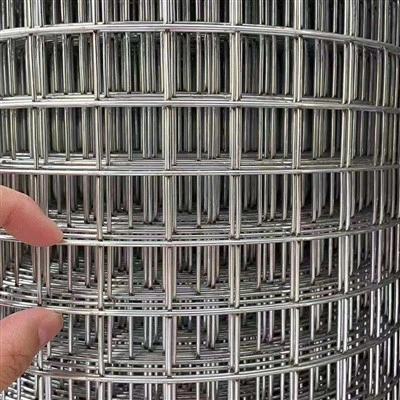
If you’ve ever driven along a curved stretch of highway that doesn’t feel like it’s about to slide into the ditch, or walked past a riverbank that hasn’t caved in after a heavy rain, chances are you’ve seen welded gabion mesh panels and didn’t even know it. I’ve been supplying these bad boys for over 12 years now, and I can’t tell you how many times a customer has asked me, “What even are these things, and why do I need them?” Today, we’re breaking down exactly what they’re used for—no fancy engineering jargon, just real talk from someone who’s spent way too many days loading these panels onto trucks and troubleshooting how to make them work for random projects.
First, let’s quick recap what I actually supply, because a lot of folks mix up welded gabion mesh with regular woven gabion baskets. Welded gabion panels are basically grids of steel wires that get welded at every intersection, not woven together. They come in flat, rectangular sheets (usually 2x1m or 3x1m, depending on what we’re shipping) and when you fold up the edges, they make that sturdy box-shaped or rectangular cage everyone pictures. The steel is usually galvanized, sometimes with a PVC coating for extra protection—perfect for dealing with mud, water, and whatever else nature throws at them. I mention that because it’s why they’re so versatile; that welded grid is way more rigid than woven ones, so they hold their shape even when you fill them with rocks. Now, let’s get into the good stuff—what we actually sell these panels for.
First up, and probably the most common use, is erosion control on slopes and riverbanks. Look, I’ve seen what happens when a contractor uses flimsy concrete barriers for a slope that gets hit with annual spring floods. Concrete cracks, it shifts, and soon you’ve got a 10-foot gully where the side of the road used to be. Welded gabion panels? They’re like a hug for loose soil and rock. You line the slope with folded-up panels, fill the cages with local rocks or concrete rubble, and suddenly that steep hillside is stable enough to hold a road or a bike path on top. I recently worked with a county road crew in Tennessee that had a stretch of highway washed out two years in a row after hurricanes. We supplied 500 panels, they stacked them along the bank, and last year we had a record rain event—no damage at all. The reason this works so well? The gaps between the rocks (and the gaps in the welded mesh) let water drain through, instead of pressing against a solid concrete wall. That’s a game-changer for preventing water pressure from making the slope collapse. We also do a lot of riverbank projects with these—farmers use them to keep their fields from getting washed away during high water, cities use them to protect waterfront parks. A lot of people think gabions are just for big industrial projects, but we ship small batches to homeowners too who have a creek running through their property and don’t want it taking their backyard with it.
Next, retaining walls. Not the boring, plain concrete ones you see in old subdivisions. Welded gabion retaining walls are customizable, cheap, and way more attractive than concrete or cinder blocks. Let’s say you have a backyard that slopes down, and you want a flat patio area. Stacking welded gabion panels to make the wall is way easier than pouring concrete, and you don’t need a permit as often (depending on where you live—always check local rules, but I’ve heard from customers in 20+ states that permits are simpler for gabion walls). You can even mix the rock colors to match your landscape, or add plants in the gaps—some people throw in succulents or wildflowers that root through the rocks, so the wall actually looks like it’s part of the yard, not an eyesore. I had a customer in Texas a couple years ago who built a 10-foot tall gabion retaining wall for his property line, and he ended up using leftover rock to make a little fire pit nook next to it. The wall has been there for five years, no cracks, no shifting, and it still looks better than the concrete wall his neighbor paid twice as much for. For commercial projects, we supply panels for retaining walls along shopping center parking lots, hospital campuses, even sports fields—anywhere you need to hold back soil without ruining the look of the space.
Third, noise and security barriers. This is one I didn’t even think about early on, until a construction company in Chicago hit me up last year. They were renovating an old apartment building next to a busy train line, and the tenants were complaining about noise. They didn’t want a plain concrete wall because it would block the apartment views, so they tried welded gabion panels. Here’s how it works: you stack the panels, fill them with dense, heavy rock (like granite or basalt), and that mass of rocks is surprisingly good at absorbing sound. Way better than a wooden fence, and cheaper than sound-dampening concrete. That same customer told me the noise level dropped by almost half, and the building looked way nicer than if they’d put up a solid barrier. We also supply these for security barriers at industrial sites, construction zones, even solar farms. Solar farms need to keep people from wandering onto the panels and damaging equipment, and welded gabion barriers are sturdy enough to stop someone from climbing over (or ramming into with a car, depending on how thick you make them). They’re also way less obvious than a big chain-link fence, so they work for sites that want to keep a low profile. Last month we shipped 200 panels to a wind farm in Oklahoma for exactly that—they needed a barrier around the turbine base, and the local planners didn’t want an eyesore, so gabions were the perfect fix.
Wait, another big one: infrastructure and utility projects. We supply welded gabion panels for bridge abutments, culvert headwalls, even for stabilizing the ground under pipelines. Let’s break that down. Bridge abutments are the parts of the bridge that hold it up at the ends—they’re usually concrete, but in areas that get a lot of frost or shifting soil, concrete can crack. Gabion abutments? They’re flexible, so if the ground shifts a little, the rocks move instead of the whole structure breaking. Culvert headwalls are the ends of pipes that carry water under roads—they tend to get eroded by water flowing through. Welded gabion panels make a strong, permeable headwall that lets water flow through without washing away the soil around the culvert. I worked on a culvert project in Montana a couple years ago—winter there is brutal, with deep frost and heavy spring runoff. The old concrete headwall had to be replaced every 5 years because it cracked, but the gabion headwall we supplied has been in for 7 years now, no issues. We also do pipeline stabilization—oil and gas companies use gabion panels to hold the soil around buried pipelines in place, especially in mountainous or hilly areas where landslides are a risk. It’s way cheaper than concrete for these projects, and it’s way easier to repair if there’s a problem with the pipeline down the line. No need to jackhammer concrete, just pull out a few rocks from the gabion, fix the pipe, and put the rocks back.
Oh, and landscape design and public art. I know, I know—when you think gabions, you don’t think art, but trust me, people are getting creative with these. We supply panels for sculptural pieces in public parks, for raised garden beds (way sturdier than wooden beds that rot after a few years), even for decorative walls around outdoor patios. A landscape architect in California hit me up last year for a project in a city park—they wanted a curved seating area made of gabion walls, so people could sit and watch a fountain. The welded panels were perfect because they could bend the grid into the curve without breaking, and the park’s maintenance team just fills them with local river rocks, so it fits the natural vibe of the space. Raised garden beds are another big one—homeowners and community gardens love them because they don’t need any special tools to assemble, they hold a ton of soil, and they last way longer than cedar or pine beds that get eaten by bugs. I’ve had community gardens in Detroit order 100 panels at a time, and they’ve been using them for years now to grow veggies for local food banks.
Wait, let’s talk about why we’re the go-to supplier for all these projects, too—because it’s not just about selling panels. A lot of companies just sell flat sheets and leave you to figure out how to fold them, how many you need, what size rocks to use. We help with all of that. For example, if a customer is doing a riverbank project, we’ll tell them to use 6-12 inch rocks, not gravel, because gravel will wash away. If they’re doing a retaining wall, we’ll tell them how many panels they need based on the height and length, and even send a quick guide on how to fold and assemble them (it’s super simple, but sometimes people need a little hand). We also offer different coating options—galvanized for projects near fresh water, PVC-coated for saltwater areas (like coastal roads or beachfront properties) because salt is way harder on steel. I learned that the hard way early on—we sent uncoated panels to a beach project in Florida, and the rust showed up within a year. Now we make sure every customer gets the right coating for their specific project, no extra cost for basic options.
A lot of people ask me if there are projects we don’t supply panels for. Honestly, not many, as long as they’re outdoors and need something sturdy but flexible. We don’t usually do indoor projects, but I did have a customer try it for a fake outdoor garden in a lobby, using small decorative rocks. That was fun, but I think it was more of a gimmick. The main thing to remember is that welded gabion panels work because they combine the strength of metal with the permeability of loose rock. They don’t fight against nature—they work with it, which is why they’ve been used for projects all over the world, from small backyard walls to massive highway projects.
If you’re a contractor, landscape architect, or even a homeowner with a project that needs stable, durable, and low-maintenance solutions, we’ve got you. Whether you need 10 panels for a small backyard retaining wall or 10,000 for a major highway erosion project, we can ship it fast, give you all the tips you need, and make sure you get the right materials for your specific site. No hidden fees, no confusing contracts, just good quality welded gabion panels and support from someone who actually uses these things every day.

If you’re ready to talk through your project, reach out to us to start a conversation—we can give you a quote, answer any questions you have, and help you figure out exactly what you need. Don’t hesitate, even if it’s a small project—we love helping out, no job is too big or too small.
High Visibility Screen References:
- American Association of State Highway and Transportation Officials (AASHTO) "Guidelines for the Use of Gabion Structures in Highway Applications"
- Federal Highway Administration (FHWA) "Erosion Control Using Gabion Systems"
- International Code Council (ICC) "Residential Code Provisions for Retaining Walls and Erosion Control Barriers"
- The National Oceanic and Atmospheric Administration (NOAA) "Coastal Erosion Mitigation Using Gabion Structures"
- Landscape Architecture Foundation (LAF) "Innovative Uses of Gabion Systems in Public Landscape Design"
Anping County Nuocheng Wire Mesh Co., Ltd.
Address: 100 meters southeast of Beimanzi Village, Dahezhuang Township, Anping County, Hengshui City, Hebei Province, China
E-mail: lixuhao0888@gmail.com
WebSite: https://www.ncwiremesh.com/
