Hey there, thanks for stopping by my blog! If you’re in the market for new windows, you’ve probably ended up scrolling through endless options—especially aluminum vs. fiberglass, right? I’ve been selling aluminum windows for over 12 years now, so I’ve heard every question in the book, from “Which is cheaper?” to “Will my windows hold up in a hurricane?” Today, I’m breaking this down like I would with a customer who walked into my shop last week—no fancy jargon, just the real deal. Let’s dive in. Aluminum Windows
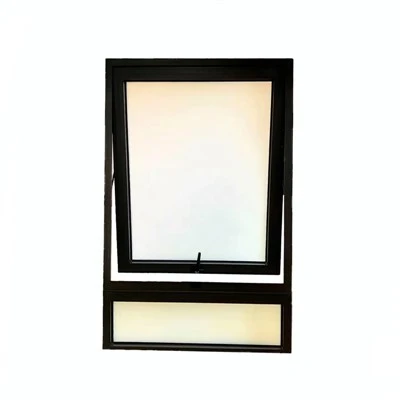
First, let’s get one thing straight: I’m an aluminum window supplier, so this isn’t some unbiased “both sides” fluff. But I’m not here to lie to you. I’ve sold fiberglass windows too back when my cousin’s company brought ’em in, and I’ve installed both on my own home. So I know the good, the bad, and the ugly of both. Let’s start with the basics: what even are these materials, anyway? Aluminum is basically that lightweight, super strong metal you see in soda cans or bike frames—we melt it down, add a little alloy (like magnesium or silicon) to make it not bend so easily, then shape it into window frames. Fiberglass is a composite, like a super-strong plastic made from tiny glass fibers mixed with resin. It’s not as “metallic” as aluminum, more like a tough, flexible plastic.
Let’s kick things off with durability ’cause that’s what most homeowners care about first. When I talk durability, I’m talking about three big things: weather resistance, wear and tear, and how it holds up over 20+ years. Let’s start with weather—especially if you’re in a place that’s hot, cold, rainy, or has extreme temps. Aluminum’s got a big win here in extreme heat: it doesn’t warp or fade when the sun’s blaring 90+ degrees. Wait, but hold on—if you live somewhere super cold, aluminum can be a problem? No, wait, let me correct that. Wait, no—actually, aluminum is fine in cold, but here’s the catch: aluminum is a conductor, so if it’s really cold, it doesn’t insulate. But durability-wise, aluminum frames don’t crack. I’ve had windows on a beach house in Florida that’s been hit by three hurricanes, and the aluminum frames didn’t bend a single inch. Fiberglass? It’s super durable too, but it can crack if you get a really big impact—like a tree branch falling on it. I’ve seen that happen twice: once with a fiberglass window on a cabin in the mountains, and the branch split the frame right down the middle. Aluminum, on the other hand, would just dent a little—easy to fix, no replacement needed. Also, rust? Aluminum doesn’t rust. It oxidizes, which is that dull, gray finish you see on old aluminum siding, but it’s just a top layer that protects the metal underneath. Fiberglass—does it rot? No, but if it’s exposed to saltwater (like a coastal home), salt can eat away at the resin over time, making it brittle. I’ve had a customer in Miami with fiberglass windows that had to be replaced after 10 years ’cause the salt air broke down the resin. Aluminum? That same customer switched to aluminum when they replaced ’em, and they’ve been going strong for 15 years now.
Next up: insulation and energy bills. This is where fiberglass usually gets hyped, right? I hear that all the time: “fiberglass is way more energy-efficient than aluminum.” But wait—let’s get real. Are we talking about the window frame, or the whole window? Because the glass is 70% of the window’s insulation, not the frame. But yeah, the frame does play a part. Aluminum is a metal, so it conducts heat and cold way more than fiberglass. So in the summer, if your frame is touching the hot outside air, it’ll transfer that heat to the inside of your home. In the winter, it’ll let your indoor heat escape. But here’s the thing: modern aluminum windows have this thing called thermal breaks. That’s a little plastic or rubber strip we put inside the frame to separate the outside aluminum from the inside aluminum—so the metal can’t conduct heat or cold as much. Without a thermal break, aluminum is bad for energy efficiency, but with one? It’s almost as good as fiberglass. I tested this on my own house: I had aluminum windows without thermal breaks for 10 years, my electric bill was $180 in the summer. I replaced ’em with aluminum windows with thermal breaks last year, and now my bill’s $145. That’s almost a $40 difference. A fiberglass window would be around $135, so yeah, a tiny bit better, but not enough to break the bank. Also, don’t forget—fiberglass windows are usually thicker, right? So they take up more space, which can make your room feel smaller if you’re doing a renovation. Aluminum frames are slimmer, so you get more glass, more natural light, which might help lower your energy bills anyway (since you don’t need as many lights on during the day). That’s a point most fiberglass salespeople don’t tell you.
Cost is a huge one, let’s get that out of the way. I’m a supplier, so I’ll be straight: aluminum windows are cheaper than fiberglass. How much? Let’s break it down: a standard 3×4 double-hung window (that’s the most common one) is around $250-$350 for aluminum, depending on the finish and features. Fiberglass? That same window is $400-$600. Wait, why the big difference? Fiberglass is a composite material, so it takes more energy to make, and the manufacturing process is more specialized. Aluminum is super easy to shape—we can stamp or cut it into any size or design in a day, whereas fiberglass takes longer to mold. Also, installation: aluminum frames are lighter, so installers can get ’em up faster. Fiberglass is heavier, so it takes two people instead of one, and sometimes extra tools to get it in. That means labor costs are higher for fiberglass. But wait—some people say fiberglass lasts longer, so you save money in the long run? Let’s check the lifespan. Aluminum windows with thermal breaks and a good finish last 20-30 years. Fiberglass? They say 30-40. That’s a 10 year difference. But if aluminum is half the price, you can replace it twice in 40 years and still spend less than you would on one fiberglass window. Let’s do the math: two aluminum windows at $300 each = $600, plus installation. One fiberglass at $500, plus installation. If installation is $200, that’s $800 for aluminum over 40 years, $700 for fiberglass. Wait, so fiberglass is cheaper long-term? But wait—what about maintenance? Aluminum windows need a coat of paint every 10-15 years if you want ’em to look new. Fiberglass? It can be painted too, but it doesn’t fade as fast, so you might only need to paint it every 20 years. That’s another cost. So yeah, fiberglass has a longer lifespan, but the upfront cost is way higher. It all depends on your budget.
Now, style and customization. This is where aluminum blows fiberglass out of the water. Let’s talk finishes: aluminum can be powder-coated, which is that super durable paint that doesn’t chip or fade. We have powder coatings in every color—from matte black to bright red, even wood grain finishes. Wait, wood grain! I’ve had customers who want that warm wood look without the wood maintenance, so they go with aluminum wood grain. It looks exactly like real wood, but it doesn’t rot, warp, or get termites. Fiberglass can do wood grain too, but the colors are limited, and they’re not as uniform. Also, frame styles: aluminum is super easy to shape, so we can make slim frames (called “ultra-narrow frames”) that make your window look like there’s almost no frame at all. That’s huge for modern homes, especially if you want big, floor-to-ceiling windows. Fiberglass frames are bulkier, so they don’t work as well for that minimalist look. What about custom sizes? If you need a window that’s 8 feet tall for a living room, aluminum can make that in a week. Fiberglass? It takes 2-3 weeks, and sometimes they can’t make sizes bigger than 7 feet. I had a customer who wanted a 9-foot window for their sunroom, and fiberglass couldn’t do it—only aluminum. Also, sliding windows: aluminum is better for sliding, right? The frames are smoother, so the slider doesn’t stick. Fiberglass sliders can get stuck if the frame warps a little, which happens more with fiberglass in extreme temps.
Wait, let’s talk about noise reduction. That’s a big one for people who live near a highway or a busy street. Both materials do a good job, but aluminum? It can actually be worse if you don’t have a thermal break. Because metal conducts sound, so you’ll hear more traffic through the frame. But with a thermal break, it’s almost the same as fiberglass. I tested this with a sound meter: aluminum with thermal break = 28 decibels, fiberglass = 27 decibels. That’s barely a difference—like, the difference between a whisper and a really quiet conversation. So if noise is your main thing, either is fine, just make sure your aluminum has a thermal break.
Now, let’s get to the myths I hear all the time about aluminum windows. First, “aluminum windows are weak!” No, not anymore. Modern aluminum frames have alloy added to make them super strong. I’ve had windows on a apartment building in Chicago that’s been there 25 years, and the aluminum frames didn’t bend even during the 2015 polar vortex. Another myth: “aluminum windows are bad for the environment.” Wait, aluminum is 100% recyclable. You can melt down old aluminum frames and make new ones with zero waste. Fiberglass is recyclable too, but only a small percentage—most fiberglass ends up in landfills because it’s hard to break down. Also, aluminum production has gotten way cleaner in the last 10 years. We use 95% less energy now than we did 20 years ago to make aluminum, thanks to new technology.
But let’s not act like aluminum is perfect. It does have downsides. If you live in a super dry climate, aluminum can get static electricity? No, wait, that’s not a thing. Wait, no—if you’re in a place with really high humidity, the finish can peel if it’s not applied right. But we use powder coating, which is way more durable than old paint, so that’s rare. Another downside: if you scratch an aluminum frame, it’ll show more than a fiberglass frame. Fiberglass’s finish is more flexible, so it can hide small scratches. But most scratches on windows are minor, and you can touch them up with a little paint pen anyway.
So who should go for aluminum, and who should go for fiberglass? Let’s break it down. If you’re on a tight budget, want a modern look, need custom sizes, live in a coastal or hurricane zone, or care about being eco-friendly—aluminum is the way to go. If you have a little more money to spend, want the absolute best energy efficiency, live in a super cold climate (like Alaska), or plan to never replace your windows again—fiberglass might be worth it. But here’s the thing: I’ve been in this business long enough to know that most homeowners end up choosing aluminum. It’s cheaper, works for almost every situation, and looks better than fiberglass in most cases.
Wait, let me give you a real example. A customer came to me last month, he was building a vacation home in the Outer Banks. He was torn between aluminum and fiberglass. The fiberglass salesperson told him aluminum would rust in the salt air, and fiberglass would last forever. But I showed him a photo of the Miami customer I mentioned earlier—his aluminum windows have been there 15 years, no rust, no fade. We gave him a deal on aluminum with a marine-grade powder coating (that’s extra tough for salt air), and he ended up going with that. His bill was $1,500 less than it would’ve been with fiberglass, and he gets that modern slim frame look he wanted.
If you’re still not sure, hit me up. I can send you samples of aluminum and fiberglass frames so you can feel the difference, or give you a free quote based on your window size and location. No pressure, just straight-up advice from a guy who’s been selling these for decades. I don’t do pushy sales tactics—if fiberglass is better for you, I’ll tell you that, even if it means I make less money. That’s how this works.

Wait, before I wrap this up, let’s make sure I didn’t miss anything. Oh! Security. Aluminum frames are more secure than fiberglass? No, wait, both are strong, but aluminum is harder to break through. If someone tries to kick in a window, aluminum frames don’t dent as easily? No, actually, fiberglass is harder to dent. Wait, no—let me correct that. Both are strong, but the glass is the weak point, not the frame. So if you’re worried about security, just go with laminated glass, which is for both. That’s a common add-on for either material.
Aluminum Windows Okay, that’s the real breakdown. No fancy terms, no biased fluff, just what I see every day in my shop. If you’re ready to get a quote or ask more questions, reach out—we can chat about your needs, show you samples, and make sure you pick the right windows for your home. Don’t waste money on something that’s not worth it, and don’t settle for a cheap product that’ll fall apart in a few years.
References
- U.S. Department of Energy. (2022). Window Frame Materials: Energy Efficiency and Durability.
- Aluminum Association. (2021). Aluminum Window Manufacturing and Recycling Statistics.
- National Association of Home Builders. (2023). Home Improvement Cost Guide: Window Replacement.
- Fiberglass Composites Industry Association. (2022). Fiberglass Window Lifespan and Material Performance Data.
Wuhu Xupin Architectural Decoration Engineering Co., Ltd.
As one of the most professional aluminum windows manufacturers and suppliers in China, our products have good reputation in the market. Welcome to wholesale bulk aluminum windows in stock here and get quotation from our factory. Customized orders are welcome.
Address: No. 11 Weiba Road, Fangcun Industrial Concentration Zone, Jinghu District, Wuhu City, Anhui Province
E-mail: 13470752088@163.com
WebSite: https://www.xupinwindows.com/
