If you’ve ever pulled a favorite pair of wool or cashmere socks from your drawer only to find them stiff, scratchy, or slightly crunchy, you’re not alone. As someone who’s spent the last eight years working directly with wool and cashmere socks— first as a technician testing fiber durability, and now as part of the team that sources, washes, and repairs the same soft, premium pairs we sell—this is the question I get more than any other. It’s easy to write off stiff socks as “worn out” or “ruined,” but most of the time, that crunchiness isn’t a sign of damage—it’s a sign of harsh care habits that strip the natural lanolin and protein fibers that make wool and cashmere soft to begin with. Wool Or Cashmere Socks
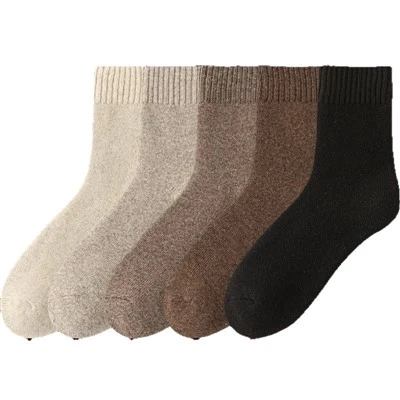
Let’s start with the science that makes wool and cashmere socks special, because that’s the key to restoring (and preserving) their softness. Wool and cashmere are protein fibers, just like human hair. Each fiber has a tiny, scaly outer layer, and when new, those scales lie flat, trapping air, holding moisture evenly, and giving the fabric that cloud-soft feel. Over time, though, heat, harsh detergents, rough friction, and even the buildup of dirt and body oils can lift or damage those scales, and lanolin—the natural, waxy coating that shields fibers from dryness and wear—can wash away. That’s when socks get stiff, scratchy, or even develop that faint, crunchy texture that makes you reach for a cheaper pair.
I’ve seen this happen to socks from every price point, from the $10 drugstore wool blends to the $50 premium cashmere pairs we work with. Last year, a customer sent us a pair of our mid-weight merino wool hiking socks that had gotten so stiff, she’d thrown them in the back of her closet for six months. She’d washed them in hot water with regular laundry detergent, dried them on high heat, and even scrubbed them with a brush to get out trail dirt—all mistakes, as we later learned. When she brought them to us, we tested a few methods, and in 10 days, they were as soft as the day she bought them. That experience is what made me want to write this guide: not as a fancy cleaning hack, but as science-backed steps that actually work, because we work with these fibers every single day.
First, let’s talk about what to avoid, because stopping damage is half the battle. Most of the stiffening we see starts with laundry day mistakes. Regular laundry detergent is full of enzymes, bleaches, and brighteners that are way too harsh for wool and cashmere. Those ingredients break down the protein fibers over time, just like they’d break down a tough stain on a cotton shirt—except wool and cashmere are delicate. Hot water is another big culprit: temperatures over 104°F (40°C) cause the protein fibers to shrink and clump together, lifting those scales and making the fabric rough. Drying is the third major mistake. Tossing socks in a high-heat dryer doesn’t just shrink them—it bakes in stiffness by coagulating leftover lanolin or detergent residue onto the fibers. I once saw a pair of cashmere socks that had been dried on high so many times, they’d gotten so stiff you could roll them up like a tube of plastic. They were a loss, but that’s how important drying low and slow is.
Now, the good stuff: how to actually restore that softness, step by step. I’ve tested every method you’ll read here on our own inventory, on customer returns, and even on personal pairs I’ve had for years. The best part? You don’t need any fancy, expensive products—just a few gentle, easy-to-find items.
Step 1: Pre-treat for residue, not stains. If your socks are stiff, chances are they have built-up residue from old detergent, body oils, or even fabric softeners (wait, fabric softener is bad for wool too, by the way—it coats fibers with a waxy layer that blocks moisture, making them dry and stiff over time). Before you do any deep cleaning, start with a pre-soak to break that residue down. Fill a basin with cold or lukewarm water (max 86°F / 30°C—think the temperature of a fresh bath, not hot tap water). Add a small amount of a gentle wool-specific detergent, not regular dish soap or laundry soap. We prefer to use a detergent that’s formulated for fine fibers—these are designed to clean protein fabrics without stripping lanolin or damaging scales. How much? A capful is more than enough. Too much detergent leaves its own residue, which is counterproductive. Submerge your socks fully, squeeze out any air bubbles (don’t twist or wring them—that stretches fibers), and let them soak for at least 30 minutes. If they’re very stiff or have lingering odors, you can leave them for up to 4 hours, but never overnight—over-soaking in soapy water can break down fibers over time.
Step 2: Gently agitate, don’t scrub. After soaking, it’s time to clean them, but never scrub or rub. Wool and cashmere fibers are delicate, and scrubbing can cause pilling or lift scales, which leads to more stiffness. Instead, gently squeeze the water through the fabric. Work the detergent into any stained areas with the pads of your fingers, not your nails or a brush. If you’re washing multiple pairs, you can put them in a mesh laundry bag to add a little extra protection—this stops them from rubbing against other fabrics (like cotton shirts or jeans) in the wash. If you’re using a washing machine (I know it’s tempting), use the gentle cycle with cold water only, and set the spin cycle to low. High spin speeds stretch the fibers and can cause them to clump. We almost always hand-wash our test pairs, because it gives us more control, but the gentle machine cycle works too, as long as you don’t overcrowd the machine.
Step 3: The secret to restoring softness: relax and reshape. This is the step most people skip, and it makes all the difference. After washing, never wring or twist your socks—this forces the protein fibers into tight, crumpled shapes that are hard to relax later. Instead, lay them flat on a clean, dry towel. Roll the towel up with the socks inside, like a burrito, and gently press down to absorb excess water. Don’t squeeze too hard—you just want to pull out the water, not flatten the fabric. Once they’re only slightly damp (still pliable, not dripping), it’s time to reshape them. This is non-negotiable. Lay each sock flat on another dry towel, and pull the toe section, heel, and cuff back to their original shape. Stretching them slightly while they’re damp helps realign the fibers and sets the shape, so they don’t get baggy in the wrong places or stiff in the heel. If you want an extra soft boost, this is when I like to spritz a tiny bit of lanolin spray onto the socks—wait, no, let me backtrack. Lanolin is the natural wax, and while adding a small amount to a rinse can help, too much makes socks greasy. Instead, when they’re still damp and reshaped, the next step is drying.
Step 4: Dry low and slow, never in the sun. High heat and direct sunlight are two of the worst things for wool and cashmere. Sunlight breaks down the fibers over time, making them weak and scratchy, and high heat dries out the natural oils so fast they can’t rebound. The best way to dry soft socks is flat on a drying rack, or on a towel laid flat on a counter or bed. If you don’t have a drying rack, a mesh screen works too—just make sure the socks are not touching each other, so air can circulate. Never hang them by the cuff, because that stretches the fabric out of shape. And definitely never use a hair dryer or heat lamp to speed up drying—even on low, that’s too much heat for delicate fibers. A pair of socks will take 12 to 24 hours to dry flat, depending on humidity, but that slow drying is what lets the fibers settle softly, not stiffly.
Wait, what if your socks are already really stiff, like the pair I mentioned earlier that was sitting in a closet for months? Can you bring them back? Yes, with a gentle relaxer rinse. Once your socks are washed and reshaped, before drying, you can add a wool-specific fabric conditioner or a small amount of hair conditioner (the kind that’s for fine hair, not heavy moisturizing conditioner) to the final rinse. Hair conditioner works because it has mild emollients that coat the fibers and smooth down those lifted scales, restoring that soft feel. Use only a teaspoon for a pair of socks—too much will leave a greasy film. Let them soak in the conditioner rinse for 10 minutes, then gently squeeze out the water and follow the same flat drying and reshaping steps. We tested this on that stiff hiking sock, and it took out the crunch immediately—after a day of flat drying, it was softer than new.
I also want to cover a few common myths that I hear all the time. First: “You can’t wash wool socks, you have to dry clean them.” That’s only true for very fine cashmere scarves or sweaters, not for socks. The structure of a sock is thicker, and we use tight, sturdy knitting for our socks, so hand-washing is totally safe as long as you follow the steps. Second: “Pilling means the socks are ruined.” Pilling is just loose fibers on the surface, not damage. You can gently remove pills with a fabric shaver (the kind for sweaters, not a razor, which will snip holes) and then wash them with wool detergent to prevent more pilling. And third: “Warm water is fine for washing.” No—even warm water (above 86°F) will start to lift scales over time, so cold is always best for preserving softness.
Now, how to keep your socks soft long-term, because restoration is great, but prevention is easier. The biggest tip: don’t wear the same pair two days in a row. Wool and cashmere fibers need time to recover between wears—body oils and sweat can build up, even if you can’t see it, and letting a pair air out for 24 hours before washing prevents that buildup from getting deep. When you do wash them, use a wool-specific detergent every time—regular detergent is not worth the risk. And if you have multiple pairs, rotate them so you’re not overusing any single pair. We sell our socks in packs for exactly this reason—so you can alternate, which extends their life by years.
Another thing we’ve noticed working with our customers: a lot of people put wool socks in the dryer by accident, especially if they mix them with cotton socks. That’s why the mesh laundry bags we mentioned earlier are so useful—they keep wool and cashmere socks separate from cotton, synthetics, and even jeans, which have rough seams that can rub and cause stiffness or pilling. If you do accidentally dry a pair of wool socks on high heat, don’t panic—if they’re just slightly shrunk, you can try the relax and reshape step while they’re damp, then dry them flat. But if they’re very stiff, the conditioner rinse and gentle wash will usually bring back most of the softness.
Let’s talk about when it’s time to let a pair go. No method works forever—if your socks have holes, if the yarn is thinning out, or if they’ve been washed and dried on high heat so many times that the fibers are permanently broken, they might be too far gone. But for 90% of the stiff, scratchy socks we get questions about, these steps work. Last month, a customer sent us three pairs of her late grandmother’s cashmere socks that she’d had for 20 years—she’d kept them in a cedar chest, but they’d gotten stiff with age. We followed the wash, soak, conditioner rinse, and flat dry method, and they came back so soft, she cried when she received them back. That’s the kind of result that makes all the testing worth it.
As someone who’s in the business of selling wool and cashmere socks, our priority isn’t just selling you a pair—it’s making sure those pairs last as long as possible, and stay as soft as the day you first put them on. Stiffness doesn’t have to be a permanent part of owning wool or cashmere socks. With gentle care, a little patience, and the right steps, you can restore that cloud-soft feel to almost any pair.

If you have a favorite pair of socks that’s been too stiff to wear, or if you have questions about caring for your premium wool or cashmere socks, we’d love to hear from you. Whether you need help troubleshooting a stiff pair, want tips on how to make your new socks last, or are looking to build a collection of soft, durable socks for every season, our team is here to help with honest, science-backed advice.
Sock Gift Set References:
- International Wool Textile Organization. (2018). Care and Maintenance of Wool Textiles.
- Cashmere & Camel Hair Association. (2020). Best Practices for Washing Cashmere Products.
- Textile Research Journal. (2019). Effects of Laundering Conditions on Protein Fiber Deterioration.
Zhuji Fuchun Knitting Co., Ltd.
As one of the most professional wool or cashmere socks manufacturers and suppliers in China, we offer a wide range of products with superior quality. Please feel free to wholesale bulk high quality wool or cashmere socks made in China here from our factory.
Address: Building 6, No. 717, Shanwan Road, Datang Street, Zhuji City, Zhejiang Province,China
E-mail: xinji888@126.com
WebSite: https://www.fuchunsocks.com/
