Hey there, fellow ski lovers and future slopes conquerors! As someone who’s been in the women’s ski suit game for years (let’s just say I’ve seen everything from a beginner who showed up in a rain jacket to a pro athlete who swore by three layers under her suit), I know how overwhelming it is to pick the right gear. If you’re here because you’re like, “Wait, my ski suit isn’t just a cute jacket and pants combo?” – you’re in the right place. Today, we’re breaking down exactly how to choose a women’s ski suit based on your skiing level, no fancy jargon required. And since I’m not just a blogger but someone who supplies these suits for a living, I’ve got real, on-the-ground tips that’ll actually work, not just stuff I read online. Women Ski Suit

First off, let’s get one thing straight: skiing level isn’t just about how fast you go or if you can carve turns. It’s about what you need from your gear to stay comfortable, safe, and having fun on the mountain. I’ve watched beginners freeze because their suits don’t have enough insulation, and I’ve seen intermediates overheat because they picked a super thick suit for a day of cruising. Pro skiers? They need something that can handle high speeds, bad falls, and all the weird weather that comes with backcountry laps. So let’s dive into each level, no cap.
For the Beginners (aka, You’re Still Perfecting Your Pizza Turns)
If you’re a beginner, here’s the tea: you’re probably not skiing for 8 hours straight yet. Most of your days are 2-4 hours, maybe less, and you’re probably stopping a lot to adjust your boots, take selfies, or warm up by the lodge fire. What do you need here? A ski suit that’s easy to move in, waterproof enough to handle the occasional wipeout, and not so bulky that you can’t bend over to tie your boots.
I can’t tell you how many beginners come to our showroom looking for a super fancy, down-filled suit because “it’s the warmest.” But wait – if you’re only skiing a few hours, and you’re moving at a pace that makes you sweat a little, a thick down suit will make you overheat by noon. Trust me, I’ve seen it. A beginner’s ideal suit is usually a synthetic-insulated or lightly padded one (think 80-120g of insulation) that’s waterproof but not too heavy. Also, pockets are non-negotiable here – you’ll need a spot for your lip balm, phone, and that random chocolate bar you stuffed in your jacket before leaving the lodge.
Another big one for beginners: on-snow mobility. You don’t need a suit that’s built for high-speed turns, but you do need to be able to sit in the snow (those falls are inevitable!), lift your knees, and maybe even dance a little in the lodge after. I always recommend our beginner suits with articulated knees – that’s a tiny cut that makes bending way easier. And don’t sleep on the hood! It should be big enough to fit over a helmet if you decide to upgrade later, but not so big that it blocks your vision when you’re just learning.
One mistake I see beginners make: buying a suit that’s “too big to grow into.” Newsflash – ski suits have layers built into them. If you buy something way too big, you’ll have extra fabric that gets in the way when you fall, and the air pockets will make you colder (yes, really). Stick to your regular size, or if you’re between sizes, go a little smaller, not bigger. You can always add a thin base layer underneath if you need to, but too much extra space is a recipe for disaster.
For the Intermediates (You’re Carving Turns and Ready to Explore More Terrain)
Okay, so you’ve nailed the pizza and french fry turns, you’re comfortable on blue runs, and you’re starting to hit some black diamonds (maybe even some powder days!). This is where your ski suit needs to step up a little. You’re skiing longer days (4-6 hours), moving faster, sweating more, and probably dealing with more variable weather – one minute it’s sunny and 30 degrees, the next it’s snowing and windy.
For intermediates, you want a suit that’s versatile. Not too thin like a beginner’s, not so thick that you overheat when you’re working hard. We recommend suits with 150-200g of synthetic insulation, or a hybrid of synthetic and down if you live in a super cold climate. Wait, why synthetic? Because down loses its insulating power when it gets wet – and as an intermediate, you’re probably going to take a few spills that soak your suit, especially in powder. Synthetic dries way faster, which is a game-changer when you’re on the mountain.
Another key for intermediates: breathability. When you’re carving turns at a steady pace, you’re going to sweat. If your suit isn’t breathable, that sweat will get trapped next to your skin, make you cold, and ruin your day. Look for suits with mesh ventilation panels – usually under the arms or on the back – that you can unzip if you get too warm. I always tell our intermediate customers, “Check the ventilation before you buy. If you can’t unzip it to cool down, it’s not worth it.”
Also, as an intermediate, you might be starting to venture into a little backcountry or off-piste terrain. That means your suit needs to be more durable – reinforced seats and knees so you don’t rip it up on rocks or branches, and maybe even a powder skirt. A powder skirt is that elastic band around the bottom of the suit that clips to your pants or jacket and keeps snow from getting in when you fall forward. It’s not a big deal for beginners, but once you start skiing powder, you’ll wonder how you lived without it.
For the Pros (You’re Charging Black Diamonds, Backcountry Laps, and Maybe Even Racing)
If you’re at the pro level, you know exactly what you need, but hear me out – even the best skiers sometimes settle for a suit that’s not right for their specific style. You’re skiing 6+ hours a day, high speeds, dealing with wind, deep powder, and maybe even some icy conditions. Your suit needs to perform, not just look good (though let’s be real, our pro suits look fire too).
First, insulation: for pros, it’s all about down or high-performance synthetic insulation (think 200+ grams, or even 800-fill down). Down is lighter and more insulating per ounce, which is great when you’re moving fast and don’t want extra weight. But it’s crucial that the down is treated with DWR (Durable Water Repellent) so it doesn’t clump up when it gets wet. Our pro line has both down and synthetic options, depending on if you prefer weight or moisture resistance.
Mobility is non-negotiable here. You need a suit that can handle aggressive turns, so articulated elbows and knees are a must, along with a stretch fabric in areas like the thighs and back. No restrictive material when you’re leaning into a carve at 50 mph. Also, water and wind resistance – we’re talking 20,000mm waterproof rating and 20,000g breathability rating, minimum. That’s the stuff that keeps wind out and sweat in check, no matter how hard you’re pushing.
Pro skiers also need extra features: reinforced panels for impact, adjustable cuffs that fit tight around your gloves, a helmet-compatible hood that stays in place at high speeds, and maybe even a radio pocket for when you’re skiing with a team. Oh, and if you’re into backcountry, a RECCO reflector is a good safety add-on – it’s a small device that rescue teams can pick up with their radar, which could be a lifesaver in an emergency.
One thing I always remind pro customers: don’t skimp on fit. You want a suit that’s snug but not tight, with enough room for a base layer or a small mid-layer under it. Too baggy, and you’ll get wind chills; too tight, and you can’t move. We do custom adjustments for pro skiers all the time, because I know the right fit makes all the difference when you’re pushing your limits.
Quick Pro Tips That Everyone Can Use, No Matter Their Level
Before I wrap this up, let’s hit some universal tips that I’ve learned over the years selling ski suits. First, check the waterproof rating. The rating is in millimeters (mm) – the higher the number, the more water it can handle. Beginners: 10,000mm is fine. Intermediates: 15,000mm. Pros: 20,000mm+.
Second, don’t forget about base layers. Your ski suit is the outer layer, but what’s underneath matters too. For beginners: thin, moisture-wicking base layer. Intermediates: mid-weight base layer. Pros: heavy-weight or merino wool base layer for cold days. But that’s a whole other post – for now, just know that your suit works with your base layers, not against them.
Third, test the suit! If you can, go to a showroom and try the suit on. Bend over, lift your knees, reach your arms up, pretend you’re wiping out in the snow. If it feels restrictive, put it back. If you can’t feel like you’re moving freely, it’s not the right one.
Wrapping It Up (and How to Work With Us!)
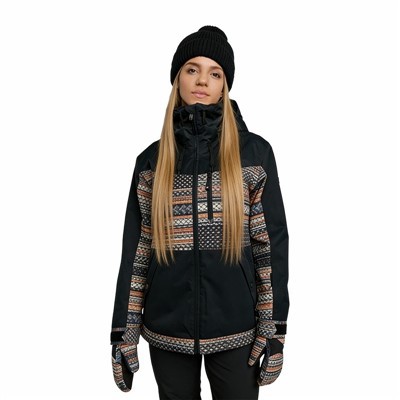
At the end of the day, choosing a women’s ski suit based on your level is all about matching your needs to the suit’s features. Beginners need easy mobility and basic waterproofing, intermediates need versatility and breathability, and pros need high-performance materials and extreme functionality. And hey, if you’re shopping around, I’m here to help – not just as a supplier, but as someone who’s been on the mountain as a skier and a business owner for years.
Ski Pants If you’re looking to stock up on women’s ski suits for your shop, team, or even for personal use (though I doubt you’re a pro shopping for personal), feel free to reach out and talk through what you need. I don’t do generic sales pitches – I listen to how you ski, what kind of terrain you’re on, and what your budget is, then I help you pick suits that actually work for you. No pressure, no confusing jargon, just real advice from someone who cares about skiing as much as you do.
References
- International Society of Skiing Instructors. "Gear Selection for Recreational Skiers." 2022.
- Outdoor Industry Association. "Technical Guide to Waterproof and Breathable Fabrics." 2021.
- U.S. Ski & Snowboard Team. "Pro Ski Gear Essentials." 2023.
Onroad Sportswear Co., Ltd.
We’re well-known as one of the leading women ski suit manufacturers in China, featured by quality products and good service. Please feel free to buy customized women ski suit made in China here from our factory. Also, samples are available.
Address: No. 501, A Block, Longtian Industry Area, Shilong, Dongguan, Guangdong, PRC. China
E-mail: Tracy.yi@onroad-sports.com
WebSite: https://www.orsoutdoor.com/
