Hey folks, let’s cut to the chase—if you’re in the market for a sintering and porcelain furnace, you probably already know that half the battle isn’t the machine itself. It’s the atmosphere inside that tiny, controlled bubble you crank it up with. I’m Jake, been selling these furnaces for 12 years, worked with everyone from small ceramic tile shops to aerospace part makers, and the number of avoidable messes I’ve seen all boil down to people skipping the basics of furnace atmosphere. Today I’m breaking down exactly what you actually need, no stuffy textbook jargon, just real-world stuff we’ve tested and proven over thousands of runs. Sintering and Porcelain Furnace
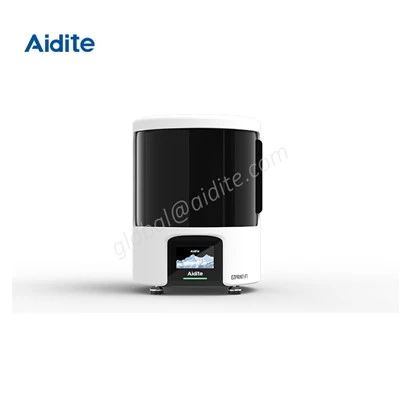
First, let’s ground this in what sintering and porcelain firing even is for anyone new. Sintering is when you heat powder (metal, ceramic, whatever) just below its melting point to fuse it into a solid shape without turning it liquid. Porcelain firing is similar, but it’s for clay-based stuff—think tableware, insulators, those fancy ceramic parts in EVs. The atmosphere here is the gas mix inside the furnace chamber, and if you get that wrong? You get parts that are discolored, brittle, warped, or worse—ruined so bad you have to scrap a whole batch. I’ve seen a shop lose $15k in parts because they used the wrong gas mix last quarter, and they called me panicking at 7 PM that night. Don’t be that guy.
Let’s start with the most common type of atmosphere we use for most jobs: controlled inert or low-oxygen mixes. Wait, what does that actually mean? For 90% of sintering runs and all porcelain firing (unless you’re doing something super specialized, like colored glazes that need a specific reaction), you don’t want oxygen messing with your parts. Here’s why: oxygen causes oxidation. That’s the rust-like gunk that forms on metal parts when they heat up, or the gray, dull tint that ruins white porcelain.
For example, if you’re sintering stainless steel powder, even a tiny bit of oxygen (like 50 parts per million, ppm) will make the surface get a cruddy oxide layer. That’s not just ugly—it makes the part weaker, harder to coat later, or even fail its quality check. For porcelain, too much oxygen makes glazes turn brown or splotchy, instead of that bright white or clear finish you want.
How do we control that atmosphere? Usually with a mix of nitrogen and hydrogen, or just pure nitrogen for simpler jobs. Nitrogen is cheap, abundant, and inert—does nothing to react with your parts, just pushes out the oxygen and moisture from the chamber. Hydrogen is a reducing gas, so it eats up any leftover oxygen or moisture that nitrogen misses. Wait, but you don’t need much hydrogen—usually just 2-5% of the mix. Too much hydrogen is a fire hazard, obviously, and it’s also unnecessary. I have a small shop client that thought “more is better” and ran 20% hydrogen once—they had to evacuate the building when the sensors went off, and ended up with a batch of parts that were so porous they were useless. Stupid mistake, totally avoidable.
Next up: moisture control. A lot of people sleep on this, but humidity (water vapor in the furnace) is a killer. If you’re sintering metal, moisture can cause what’s called decarburization—meaning the carbon in your steel parts gets burned away by the water. That makes the part soft, like a metal spoon that bends too easy. For porcelain, moisture can cause pinholes in the glaze, or make the clay expand unevenly during heating, leading to cracking.
How do we handle moisture? We bake out the furnace chamber first before you start a run—just heat it up to like 200-300°C, pump dry gas through it for an hour or so, get the dew point (that’s a measurement of moisture, think of it like how cold it needs to get for water to condense) down to -40°C or lower. Any higher than that, and you’re taking a risk. I once had a client skip the bake-out step because they “didn’t have time” and ran a batch of aluminum parts—half of them cracked mid-sinter because of trapped moisture. They had to scrap the whole 1,000-piece batch and pay overtime to rework it. Save 1 hour, lose $2k—great trade, right?
Now, what about when you need a different atmosphere? Not every job is the same. For example, if you’re sintering copper, you can use a pure nitrogen atmosphere, no hydrogen needed—copper oxidizes less easily than stainless, so hydrogen isn’t necessary. For blacksmithing-like porcelain finishes, or certain metal alloys, sometimes people use a slightly reducing atmosphere (a tiny bit more hydrogen, like 5-10%) to get a specific surface finish. There’s also oxidizing atmospheres, but that’s only for super specific jobs—like if you’re making porcelain with specific iron or copper glazes that need oxygen to turn red or green. You have to be careful with that, though—oxidizing atmospheres are way more prone to ruining parts if you mess up the oxygen levels. I work with a custom ceramic art studio that does oxidation for their unique glaze work, and we have a dedicated controller just for that job—no sense risking their custom pieces.
Wait, and pressure? A lot of people don’t think about pressure, but that’s part of the atmosphere too. Most of the time, we run furnaces at slightly positive pressure—like 0.5 to 1 psi above atmospheric. That means if there’s a tiny leak in the chamber, gas pushes out, not air gets in. That’s way better than negative pressure, where air seeps in through cracks or door seals. I had a client with an old furnace that had a bad door seal, and they ran it at atmospheric pressure once—got a batch of titanium parts that were all oxidized because of air leaking in. New seal, slight positive pressure, problem solved. If you’re doing high-temperature sintering (over 1,200°C), sometimes we run at vacuum pressure too—like when you’re sintering advanced metals or ceramics that are super sensitive to any impurities. Vacuum pulls all the gas and moisture out, so the pure atmosphere is perfect for those parts.
Now, let’s talk about how we make this easy for you, since you don’t want to be a gas engineer running your furnace. The key here is a reliable atmosphere control system, not guessing. A lot of cheap furnaces on the market have basic controls—they just let you set a gas flow, no way to measure oxygen or moisture in real time. That’s a recipe for disaster. We build our furnaces with inline sensors that measure oxygen levels (down to 1 ppm, no guessing), dew point, and pressure, all feeding into a controller that automatically adjusts the gas flow if something is off. So if oxygen starts creeping up to 100 ppm, it automatically opens the nitrogen valve to push it back down. No more sitting by the furnace all day watching gauges, no more stupid mistakes because you forgot to adjust something.
I also always tell clients: match your atmosphere to your specific load, not what worked for your buddy. If you’re sintering a mix of stainless steel and copper parts in the same run, you can do a 95% nitrogen /5% hydrogen mix that works for both. If you’re firing porcelain, stick to low oxygen, low moisture. Don’t try to reuse gas mixes that were for a different job—gas can carry leftover contaminants from previous runs. We always tell clients to purge the chamber with fresh gas for 10 minutes before starting a new run, just to flush out any leftover gunk.
Let’s wrap up with the most common mistakes I see, so you can avoid them: 1) Using too much or too little reducing gas (hydrogen) – stick to 2-5% for most metal sintering, 2) Skipping pre-bake to remove moisture, 3) Running at atmospheric pressure instead of positive, 4) Using a furnace without real-time atmosphere sensors. All of these are fixable, and all lead to way less scrap, way more consistent parts, and less headaches for you.
At the end of the day, the atmosphere isn’t just a side note to your furnace—it’s the main factor that determines if your parts turn out right. You can have the fanciest heating system in the world, but if your atmosphere is off, you’re wasting time, money, and materials. If you’re shopping for a sintering or porcelain furnace, don’t just ask about temperature ranges or chamber size. Ask about the atmosphere control—what sensors do they have? Can it adjust gas flows automatically? What’s the recommended mix for your specific parts?
3D Printer & Resin If you’re tired of dealing with scrap parts, inconsistent results, or furnaces that act up because of bad atmosphere control, reach out to us. We don’t sell one-size-fits-all furnaces—we work with you to customize the atmosphere system for your exact products, whether you’re a small shop making porcelain mugs or a big aerospace firm sintering high-performance metal parts. We’ll answer all your questions, no sales pitch pressure, just real advice from folks who’ve been in the trenches with these furnaces for years. No jargon, no hidden fees, just reliable equipment that gets your parts right.
References
- “Furnace Atmosphere Technology for Sintering and Ceramic Processing” – American Ceramic Society, 2021
- “Controlled Atmosphere Sintering: Principles and Practical Applications” – Metal Powder Industries Federation, 2019
- “Porcelain Firing Atmospheres: Effects on Glaze and Body Properties” – Journal of the European Ceramic Society, 2020
- “Oxidation and Decarburization in High-Temperature Furnaces” – ASM International, 2018
Aidite (Qinhuangdao) Technology Co., Ltd.
Aidite (Qinhuangdao) Technology Co., Ltd. is one of the most professional sintering and porcelain furnace manufacturers and suppliers in China, featured by quality products and good service. Please rest assured to buy bulk sintering and porcelain furnace at competitive price from our factory. Also, quotation is available.
Address: No.9 Dushan Road, Economic and Technological Development Zone, Qinhuangdao, Hebei Prov., China
E-mail: global@aidite.com
WebSite: https://www.aiditeglobal.com/
